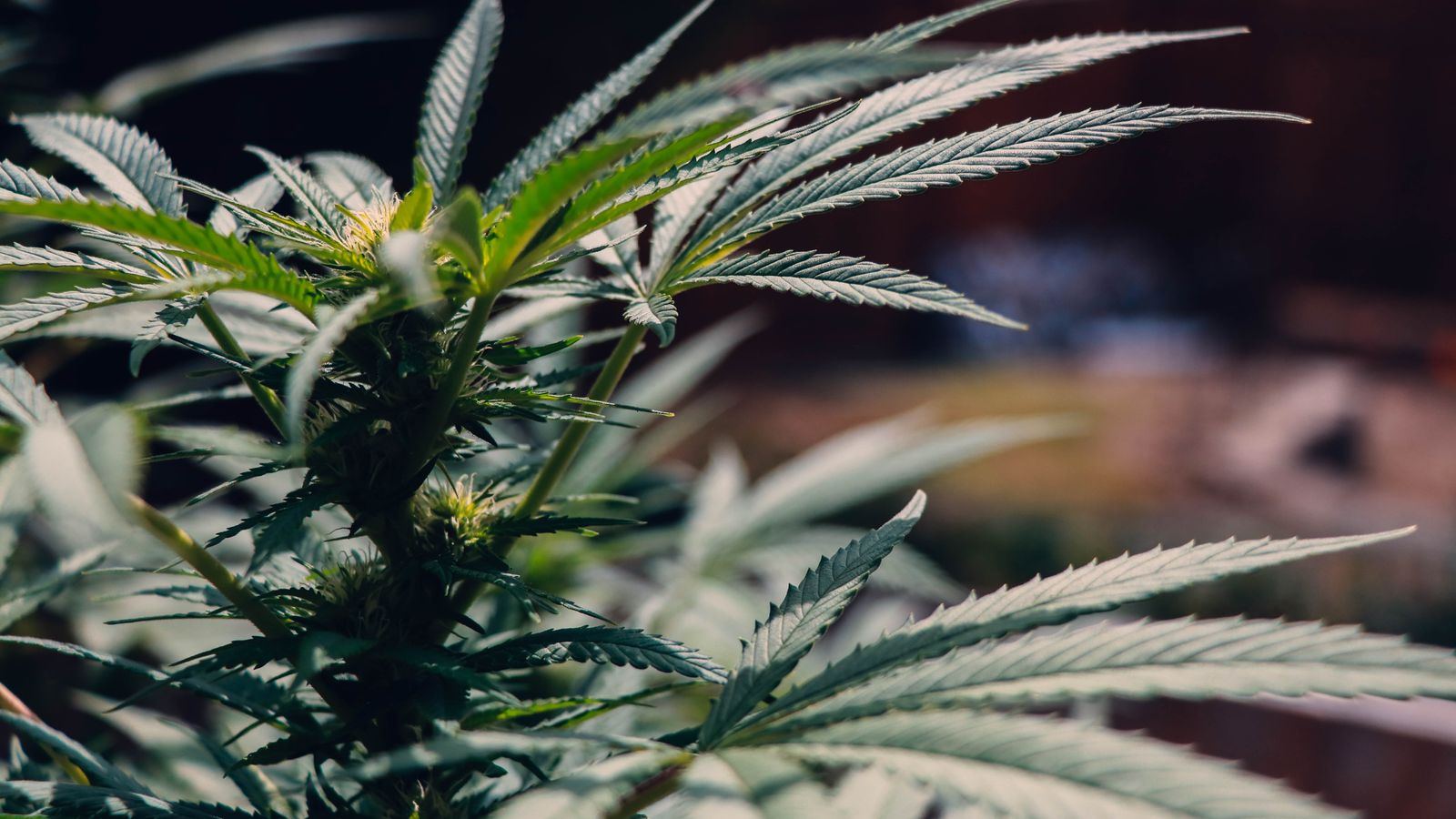
Delta 9 THCa is behind one of the stranger situations in cannabis right now: a compound that’s legal to sell as hemp, turns into ordinary THC the moment you light it, and is non-psychoactive until then. Understanding how that works means understanding the compound, the 2018 Farm Bill, and the chemistry of heat. Here’s all three.
What is Delta 9 THCa?
THCa is the acidic precursor to THC, the main psychoactive compound in cannabis. This trips people up: the plant doesn’t actually make THC directly. It makes THCa, which only becomes THC when heat or UV light triggers a reaction called decarboxylation.
A few key properties:
- Non-psychoactive. In its raw form, THCa doesn’t bind well to the brain’s CB1 receptors, so it won’t get you high.
- A precursor. THCa is the foundation for THC’s psychoactive effects once it’s decarboxylated.
- Possible health benefits. Early research points to anti-inflammatory, neuroprotective, and anti-nausea properties.
How high-THCa cannabis is grown
THCa forms naturally as the plant grows, as part of its biosynthetic pathway. It starts with CBGA (cannabigerolic acid), often called the “mother cannabinoid.” Depending on the plant’s genetics, enzymes convert CBGA into THCa, CBDA, or CBCA. The THCa itself is produced in the trichomes, the tiny resin glands coating the flowers and leaves.
Preserving high THCa levels takes care at harvest. Growers cut the plants at peak maturity and cure them without heat, since any warmth can start decarboxylation early and quietly convert THCa into THC before it’s supposed to. Breeding strains specifically for high THCa content has become its own focus, both for potential therapeutic uses and for the legal marketability we’re about to get to.
The legal loophole: how is THCa legal?
THCa’s legal status hangs on the 2018 Farm Bill, which legalized hemp products containing less than 0.3% delta-9 THC by dry weight. Because THCa isn’t psychoactive and doesn’t count toward the delta-9 limit until it’s decarboxylated, products loaded with THCa often qualify as legal hemp under federal law.
The mechanics of the loophole:
- Delta-9 compliance. THCa-rich cannabis has to test below 0.3% delta-9 THC in its raw form to count as federally legal hemp.
- What happens after the sale. The law doesn’t address what you do with the product once you own it. Heat it or smoke it, and the THCa becomes psychoactive delta-9 THC. That gap is the whole workaround.
- Seeds and clones. The same distinction covers seeds and clones carrying the genetics for high THCa, since they’re classified as hemp until the plants are grown and tested.
- State rules. States can regulate more strictly, so products have to satisfy both federal and state guidelines.
The upshot is a category of products labeled as hemp that contain substantial THCa, which has opened up real opportunities for both consumers and businesses.
How to use THCa
How you consume it depends on whether you want the high or not.
Smoking or vaping. This instantly decarboxylates the THCa into THC, so you get psychoactive effects right away.
Infusions. Raw infusions pull THCa into oils or juices for therapeutic use without decarboxylation. Cooking with cannabis oil or butter at high heat, on the other hand, converts the THCa and gives you psychoactive edibles.
Raw consumption. Capsules, tinctures, and products like raw gummies are formulated to preserve THCa for easy dosing without any high.
What is decarboxylation?
Decarboxylation is the chemical process that turns Delta 9 THCa into Delta 9 THC. It’s the step that unlocks cannabis’s psychoactive effects, and it happens a few different ways. Heating cannabis to roughly 220°F (104°C) for 30 to 40 minutes removes the carboxyl group from THCa and converts it to THC. Burning or vaporizing does it instantly. Baking or heating cannabis in oil for edibles triggers it too.
The practical point is simple. If you want the high, decarboxylation is essential. If you want the potential wellness benefits without intoxication, keep the cannabis raw and leave the THCa intact.
Potential benefits of THCa
Research is early, but the initial findings are worth noting. THCa may reduce inflammation, which could help with conditions like arthritis. Preliminary studies suggest neuroprotective potential for diseases like Alzheimer’s and Parkinson’s. It may ease nausea and vomiting, which matters especially for chemotherapy patients. And it may provide pain relief without the high that comes with THC.
The bottom line
THCa is the precursor that becomes THC, and its odd legal standing under the 2018 Farm Bill has made it the basis for a whole wave of products. Use it raw for potential therapeutic benefits, or heat it for psychoactive effects, and it works either way. As the rules and the science keep shifting, staying informed is the best way to use it responsibly.