Delta-8 THC is regular THC’s slightly milder chemical sibling. The two molecules are nearly identical: both are tetrahydrocannabinol, and the only difference is the position of one double bond, on the eighth carbon instead of the ninth. That small shift changes how tightly the molecule binds to your endocannabinoid system‘s CB1 receptors, which is why delta-8 gets you high, but noticeably less so than the delta-9 THC in marijuana.
People who use it commonly describe the effect as somewhere between half and two-thirds the strength of delta-9, with less of the anxiety and racing thoughts some people get from regular THC. That’s anecdote, not clinical data; a 2021 survey study out of the University at Buffalo found users reporting exactly that pattern, but surveys measure what people say, not what molecules do. Formal research on delta-8 is thin.
Where delta-8 actually comes from
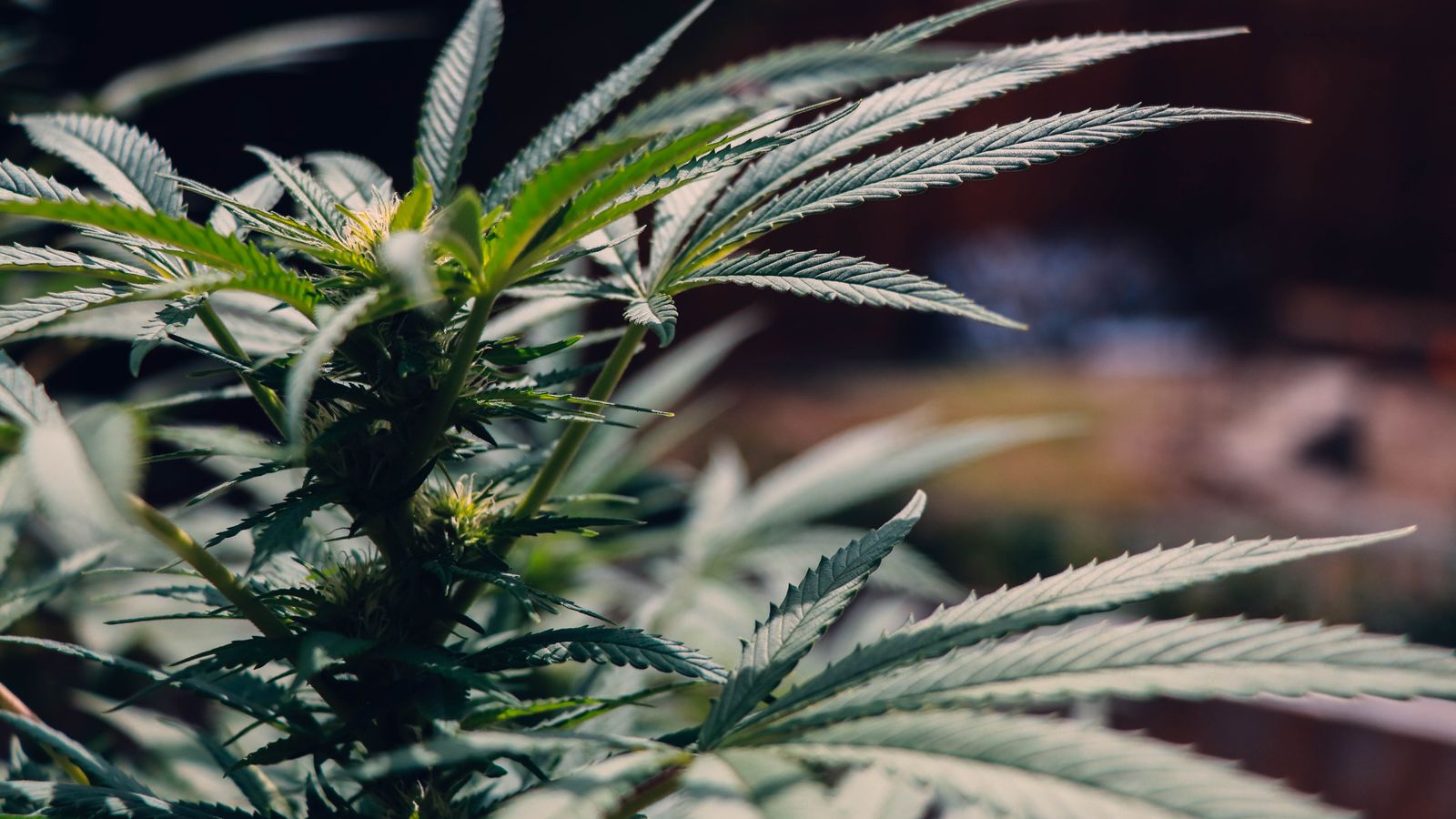
Here’s the part most labels don’t advertise: the cannabis plant barely makes any delta-8. It occurs naturally in tiny fractions of a percent, far too little to extract economically.
Nearly all delta-8 on the market starts life as CBD. Processors take hemp-derived CBD, dissolve it in a solvent, add an acid catalyst, and chemically convert it. The reaction rearranges CBD into delta-8, along with some delta-9 and a grab bag of side products. Done carefully and cleaned up properly, the result can test clean. Done cheaply, the product carries residual solvents, leftover acids, and unidentified byproducts that have never been studied in humans, because until a few years ago they didn’t exist anywhere.
That’s why the lab report matters even more here than with CBD. A full panel COA showing residual solvents and a complete cannabinoid breakdown is the minimum. A delta-8 product without one is a chemistry experiment with a flavor.
The legal situation, including here in Alabama
Delta-8 exists commercially because of a gap in the 2018 Farm Bill, which legalized hemp and its derivatives while capping only delta-9 THC at 0.3 percent. Convert legal CBD into delta-8 and you have an intoxicating product made from legal hemp, which is either legal or not depending on who reads the statute. States responded unevenly: some ban it outright, some regulate it like cannabis, some haven’t decided.
Alabama decided in 2025. HB445 put hemp-derived consumables, delta-8 included, under real regulation: sales restricted to age 21 and up, mandatory testing and labeling, THC caps per serving, and ABC Board oversight. It also banned smokable hemp flower products in the state entirely. If you buy delta-8 in Alabama now, it should be from a licensed retailer, in compliant packaging, with lab results. Anything else is off the books in both senses.
Safety notes worth taking seriously
Delta-8 is intoxicating. It impairs driving, it hits harder on an empty stomach, and in edible form it takes an hour or more to arrive, so the classic mistake of doubling a dose that hasn’t kicked in yet applies in full. Start low, 5 to 10 mg or less if you’re new, and wait it out.
It will also fail you a drug test. Standard tests can’t tell delta-8 from delta-9, and the metabolites overlap. If you’re tested for work, delta-8 is not a loophole.
Keep it away from kids without exception. Poison control centers logged thousands of delta-8 exposure calls in recent years, many involving children who found gummies. And if you take prescription medications or have a heart condition, talk to a doctor first; a legal high is still a high.
Our overall read: delta-8 is a real cannabinoid with a genuinely milder profile, sold in a market that ranges from careful to reckless. The molecule isn’t the risk. The shortcuts behind a cheap gummy are.