If you’re trying to shrink your environmental footprint, the material your stuff is made of is a good place to look. Hemp is one of the more genuinely sustainable options out there, and it can replace a surprising number of everyday products. Here’s why we’re such believers in it.
Start with what happens at the end of a product’s life. Hemp is naturally biodegradable, so it breaks down and returns to the earth over time. Compare that to plastic and synthetic fibers, which can sit in a landfill for hundreds of years and shed pollution the whole time. Choosing hemp means less non-biodegradable waste piling up.
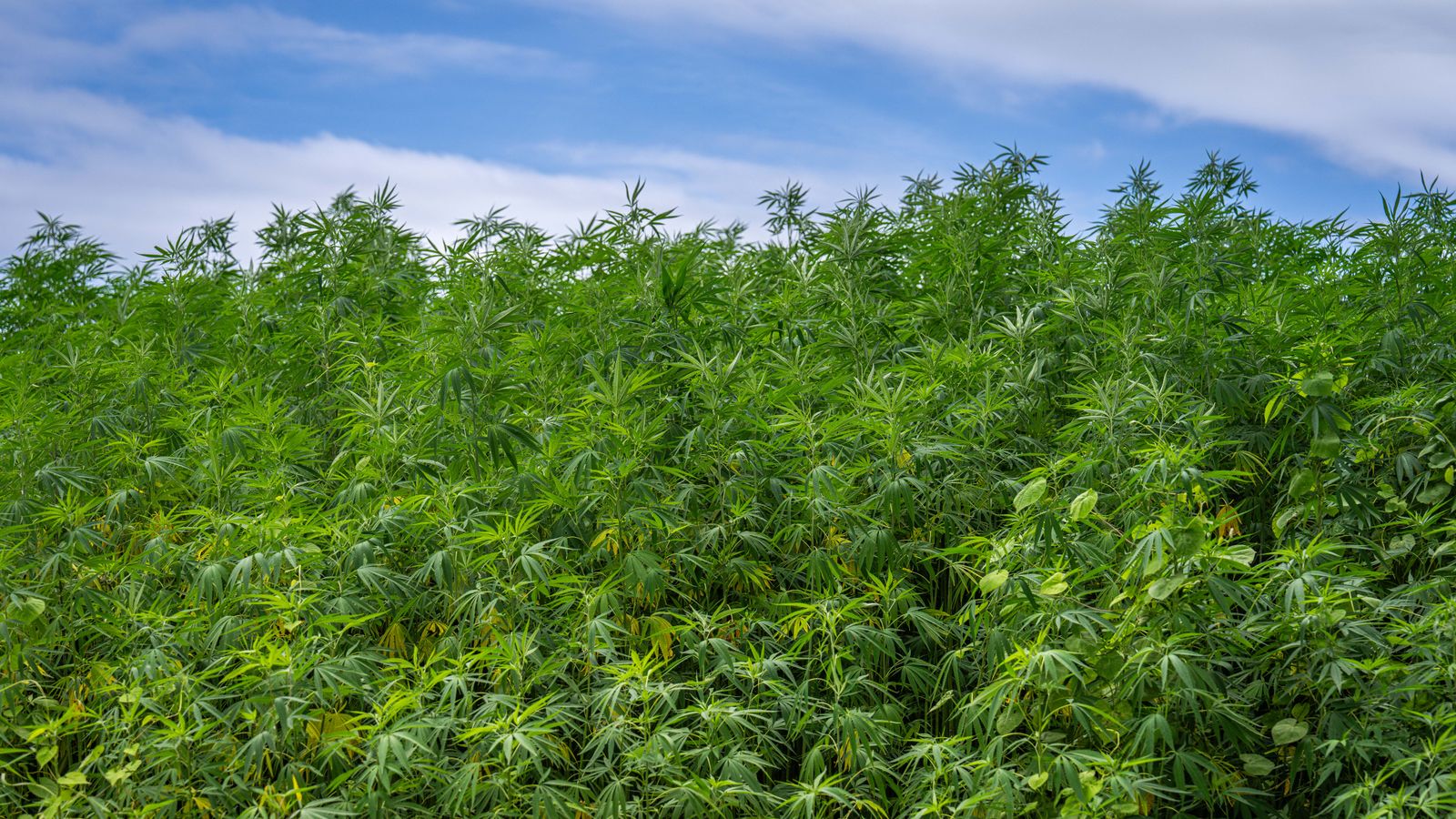
Then there’s what it takes to grow. Hemp is a light-footprint crop. It needs very little water and grows fine without pesticides or herbicides, which already sets it apart from thirsty, chemical-dependent crops. Cotton is the usual comparison: hemp produces a similar fiber using a fraction of the water. On top of that, hemp isn’t fussy about where it grows, thriving across different soil types and climates, so it doesn’t demand prime farmland or a specific environment.
The benefits don’t stop at sustainability. Hemp is strong and durable, so hemp products tend to last, which means fewer replacements and less waste over time. It’s also hypoallergenic and naturally pest-resistant, which makes it a good fit for people with allergies or sensitivities.
So why isn’t hemp everywhere already? Mostly a case of mistaken identity. For decades hemp got lumped in with marijuana, which is illegal in many places. But they’re different varieties of the same plant, Cannabis sativa, and hemp contains only a trace of THC, the psychoactive compound in marijuana. Hemp products won’t get you high and aren’t subject to the same legal restrictions. That confusion held the crop back for a long time.
That’s been changing. There’s a real push now to legalize hemp and promote it as a sustainable material, and as a result hemp products are showing up in more places, including clothing, home decor, and personal care.
The takeaway is simple. Hemp is biodegradable, water-thrifty, durable, and versatile, which makes hemp products a genuinely responsible choice. Whether you’re buying clothing, decor, or personal care items, there’s probably a hemp version that does the job while going easier on the planet.