Quitting cigarettes is one of the hardest things a person can do, and most people who succeed take several tries to get there. So when a small British study suggested CBD might reduce cigarette consumption, it got attention far beyond its size. Let’s look at what the research actually says, because it’s genuinely promising and genuinely thin at the same time.
The study everyone cites
In 2013, researchers at University College London ran a pilot with 24 smokers who wanted to quit. Half got an inhaler containing CBD, half got a placebo inhaler, and everyone was told to puff on it whenever they felt the urge to smoke. After one week, the placebo group smoked the same as before. The CBD group cut their cigarette consumption by about 40 percent.
That’s a striking result. It’s also 12 people per group for seven days, with no follow-up on whether the effect lasted. In science terms, that’s a reason to run a bigger study, not a reason to declare victory.
A second clue: cravings and cues
The same research group published a follow-up in 2018 in the journal Addiction. This time, 30 smokers abstained overnight, then received either 800 milligrams of oral CBD or a placebo. The CBD didn’t reduce how much they said they craved cigarettes. What it did change was subtler: it reduced how appealing cigarette-related pictures looked to them.
That matters because smoking relapse often starts with cues. The smell of smoke outside a restaurant, the after-dinner ritual, the sight of a lighter. If CBD blunts the pull of those cues, it could make the white-knuckle moments less frequent. Researchers suspect this works through the endocannabinoid system, which helps regulate reward and habit learning, though the mechanism isn’t nailed down.
What this doesn’t mean
Two studies with a combined 54 participants do not make CBD a smoking cessation treatment. Nicotine replacement therapy, prescription medications like varenicline, and counseling all have decades of evidence and real success rates behind them. If you’re serious about quitting, those are the proven tools, and your doctor can help you pick among them. CBD, at best, might someday be a supporting player.
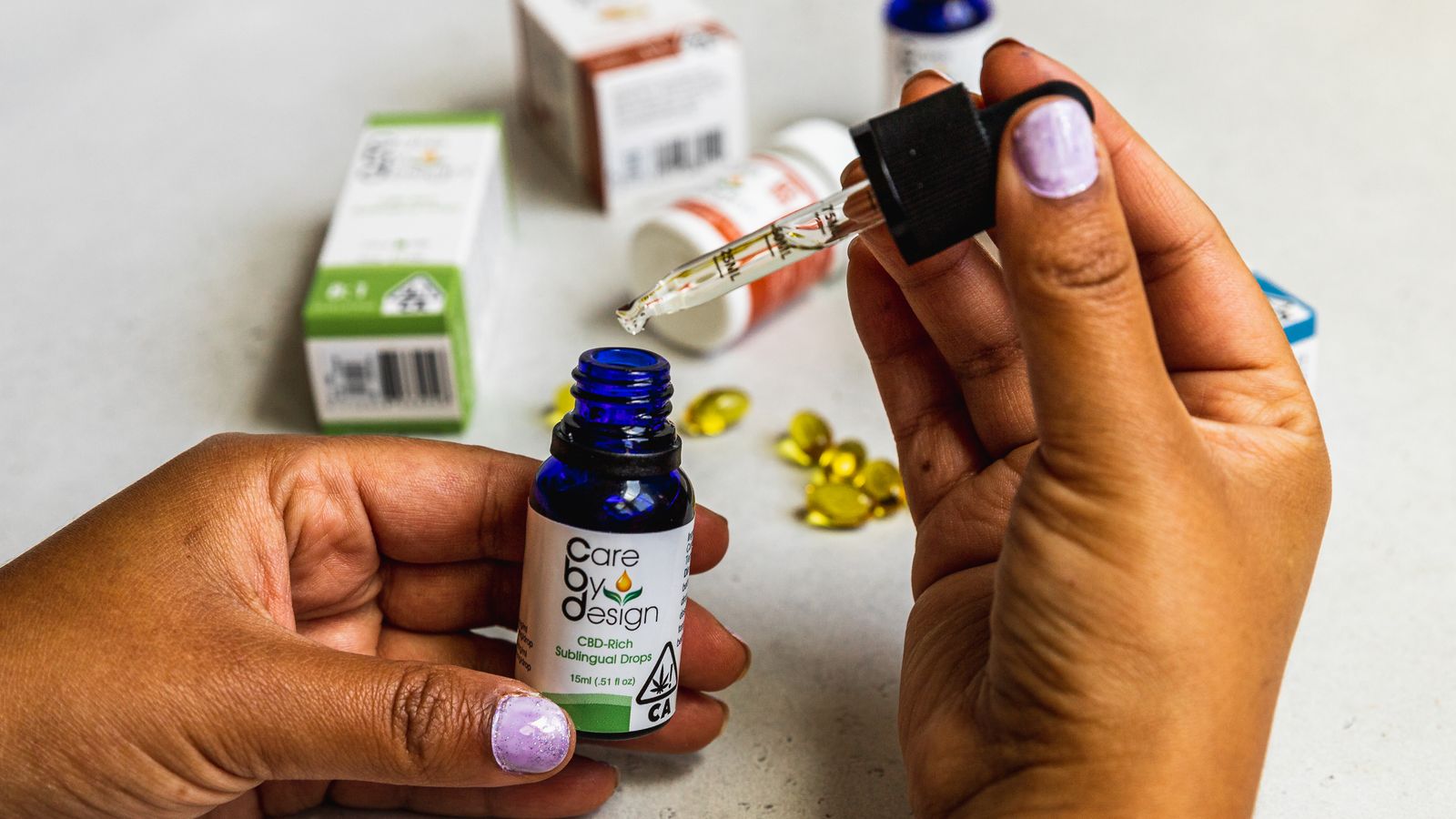
We’d also steer you away from one tempting shortcut: replacing cigarettes with something else you smoke. Trading one thing you light on fire for another isn’t much of a health upgrade for your lungs, and in Alabama, smokable hemp products are prohibited under HB445 anyway. If you want to experiment with CBD while quitting, tinctures, capsules, and edibles get it into your system without involving your lungs at all.
If you want to try it anyway
There’s no established dose for this use. The inhaler study used small, as-needed puffs; the craving study used one large 800 milligram dose. That spread tells you how early this research is. A practical middle path some people take: a moderate daily dose of CBD during the first weeks of a quit attempt, when cue-driven cravings are at their worst, alongside proven methods rather than instead of them.
The usual safety notes apply and then some. CBD can interact with prescription medications, including some used for smoking cessation, so loop in your doctor before combining them. Start with a low dose and see how you respond before going higher.
Quitting smoking adds years to your life whether or not CBD is part of the picture. If a tincture on the counter helps you get through week two, that’s worth something. Just go in knowing the evidence is a promising sketch, not a finished picture.