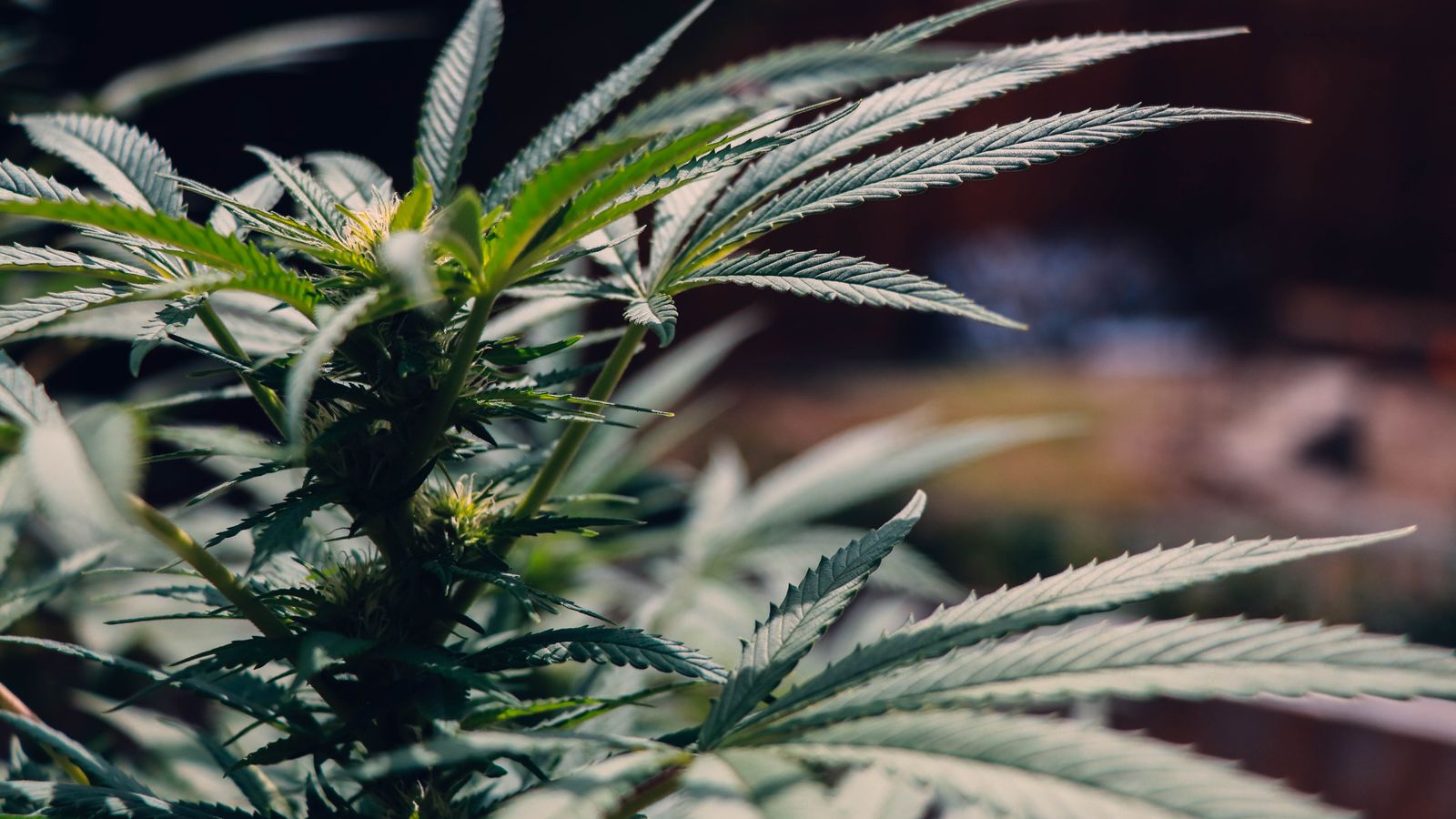
RSO is a thick, nearly black cannabis extract named after Rick Simpson, a Canadian engineer who began making it in the early 2000s and gave the recipe away for free. It’s unusual among concentrates in almost every way: it’s crude where others are refined, it’s meant to be eaten rather than dabbed, and it comes wrapped in medical claims that deserve a very honest look. We’ll get to those.
The story behind the name
Simpson’s account goes like this: after a workplace head injury in 1997 left him with lingering symptoms, he used cannabis for relief. In 2003 he was diagnosed with basal cell skin cancer, applied his homemade concentrated cannabis oil to the spots, and reported that they disappeared. He spent the following years producing the oil, giving it away, and promoting a protocol of eating large amounts of it, famously 60 grams over 90 days, as a cancer treatment. He never patented or sold the recipe, which is part of why the story spread so widely.
It’s a compelling story, and stories are not evidence. One man’s skin lesions, self-treated and never documented in a clinical setting, tell us nothing reliable. What research actually exists is laboratory and animal work showing cannabinoids can affect cancer cell growth in dishes and in mice, which is interesting and a very long way from a treatment. No clinical trial has shown RSO or any cannabis extract cures cancer in humans. Every major cancer organization says the same. If you or someone you love is considering RSO instead of oncology, please don’t. Alongside treatment, with your oncologist’s knowledge, is a conversation worth having, especially for appetite, nausea, and sleep during chemotherapy. Instead of treatment is a bet with a terrible track record.
What RSO actually is
Chemically, RSO is a whole-plant ethanol extract. Cannabis is soaked and washed in a solvent (Simpson’s method used naphtha or isopropyl alcohol; most modern producers use food-grade ethanol), and the liquid is then cooked down until the solvent is gone. What remains is a dark, tarry oil containing everything soluble the plant had: THC, usually 60 to 90 percent, plus minor cannabinoids, chlorophyll, waxes, and plant oils.
That whole-plant crudeness is deliberate. Where distillate strips cannabis down to one molecule, RSO keeps the full mess on purpose, on the theory that the compounds work better together. The taste reflects it: bitter, grassy, and strong. Nobody takes RSO for flavor.
The cooking process decarboxylates the cannabinoids, so RSO is fully active when eaten. It’s taken orally or applied to skin, usually squeezed from a syringe in doses the size of a grain of rice. It can technically be smoked but shouldn’t be; the residual plant matter makes it harsh, and any lingering solvent makes it worse.
If you’re going to use it anyway
Buy it, don’t make it. Home solvent extraction is a fire hazard, and naphtha in particular has no business near something you’ll eat. Licensed producers in state cannabis programs sell tested RSO with residual solvent screens on the certificate of analysis, which is the only kind worth considering. Note that RSO is a marijuana product, not a hemp one; it exists legally only inside state medical and adult-use programs, which Alabama’s hemp rules under HB445 don’t cover.
Dose with extreme respect. A single gram of 70 percent RSO holds 700 mg of THC, enough to wreck a week for a beginner. Oral THC takes up to two hours to peak. Start with a half grain of rice, wait, and don’t drive. Keep it locked away from children and pets, and talk to your doctor about interactions if you take other medications, blood thinners especially.
RSO earns its place in cannabis history as the concentrate people share rather than sell. Just take the history and leave the miracle claims; the oil is potent medicine-adjacent stuff, not a cure, and the people who need that distinction most are the ones sick enough to want to believe otherwise.