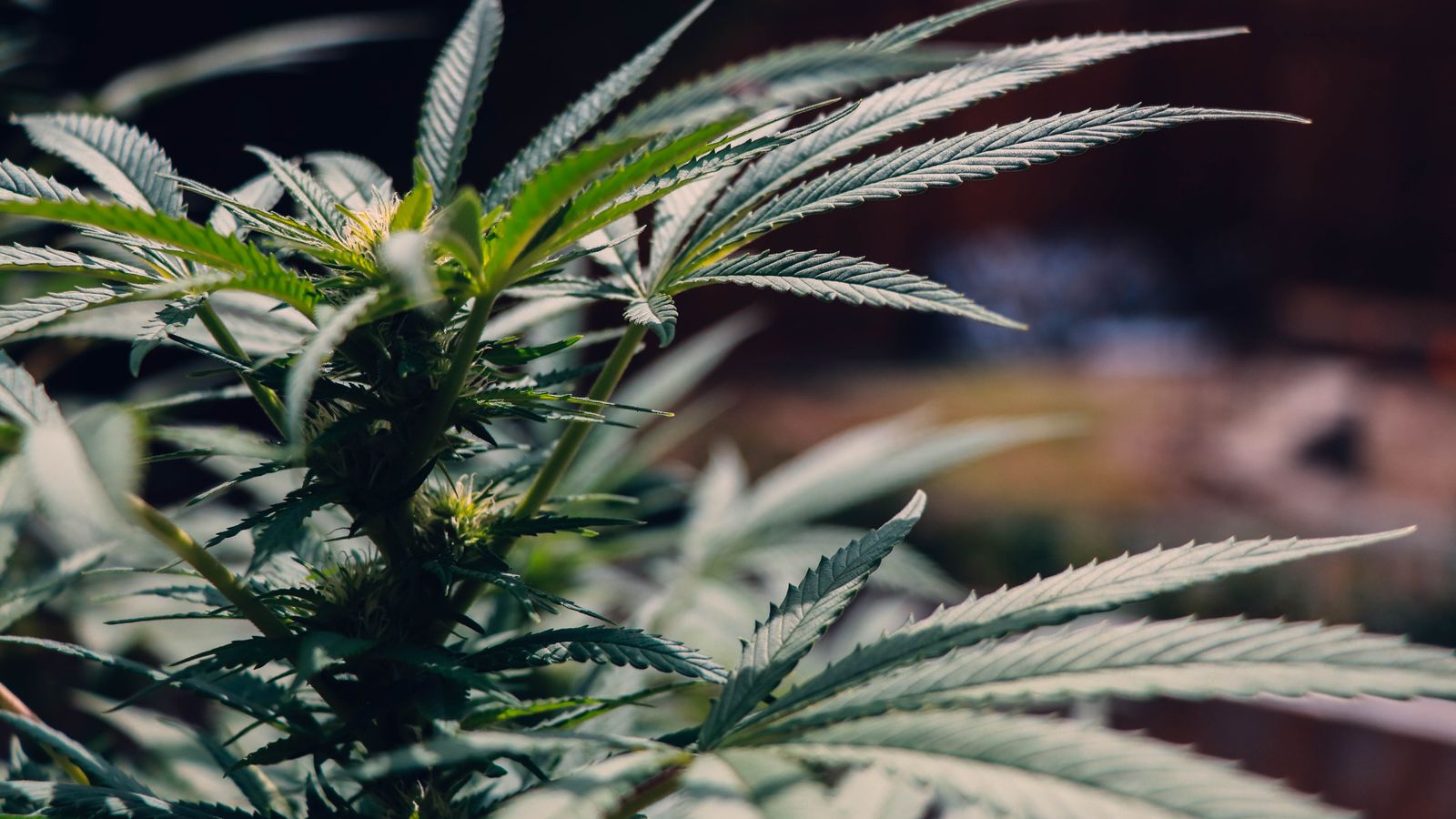
HHC stands for hexahydrocannabinol, and the easiest way to understand it is the margarine analogy. Margarine is vegetable oil with hydrogen atoms added to make it solid and shelf-stable. HHC is THC with hydrogen atoms added, replacing the double bond in the molecule with two hydrogens. Same basic process, called hydrogenation, done with a catalyst under pressure. The result is a cannabinoid that behaves a lot like THC but holds up better against heat, light, and time.
This isn’t a new invention. The American chemist Roger Adams first made HHC back in 1944 by hydrogenating THC, decades before anyone imagined a hemp shop selling it in gummy form. It also occurs naturally in cannabis, but only in trace amounts, so like delta-8, essentially all commercial HHC is made by chemical conversion. Processors typically start with hemp-derived CBD, convert it to THC, then hydrogenate.
Does it get you high?
Yes. Users generally place HHC between delta-8 and delta-9 in strength, with effects that feel THC-like: euphoria, relaxation, altered perception, appetite. As usual with the newer hemp-derived cannabinoids, that ranking comes from user reports rather than controlled studies, so hold it loosely.
There’s a chemical wrinkle that makes HHC harder to pin down than most. Hydrogenation produces two mirror-image versions of the molecule, called 9R-HHC and 9S-HHC. The 9R form binds well to your endocannabinoid system‘s CB1 receptors; the 9S form binds poorly. Every batch is a mix of the two, and the ratio depends on the manufacturer’s process. Two HHC gummies with identical milligram counts can hit differently because one batch ran 80 percent 9R and the other ran 50. A good lab report lists both isomers. Most don’t.
What we actually know about safety
Not much, and it’s worth being blunt about that. There are no clinical trials of HHC in humans. The published research amounts to some receptor-binding studies, old animal work, and chemistry papers. Nothing so far suggests HHC is more dangerous than THC, but absence of evidence is doing a lot of work in that sentence.
The nearer-term risk is the same one that haunts all converted cannabinoids: manufacturing residue. Hydrogenation uses metal catalysts, often nickel or palladium, and sloppy processing can leave traces behind, along with solvents and side products. A full-panel certificate of analysis covering residual solvents and heavy metals is the bare minimum before putting HHC in your body. No COA, no purchase, no exceptions.
On drug tests, you’ll find claims online that HHC doesn’t trigger them. Don’t bet a job on that. The metabolite data is limited, standard tests weren’t designed with HHC in mind, and some evidence suggests it can still flag. Treat it exactly like THC for testing purposes.
Legality and the Alabama picture
HHC sits in the same Farm Bill gray zone as delta-8: derived from legal hemp, intoxicating anyway, regulated differently everywhere. Some states ban it, some ignore it, and the DEA has signaled that synthetically converted cannabinoids may not count as hemp at all. In Alabama, HB445 pulled psychoactive hemp products under state regulation in 2025, meaning age limits, licensing, testing, and THC caps apply, and smokable hemp flower is banned outright. If a product is sold legally here now, it went through that system.
Our take: HHC is chemically interesting, probably similar to THC in effect, and studied far less than either its fans or its critics let on. Its real advantage is stability, which matters more to manufacturers than to you. If you try it, buy tested products from a licensed shop, start with a low dose, wait the full hour before judging an edible, and keep it away from kids, pets, and car keys. Same rules as THC, because for practical purposes, that’s what it is.