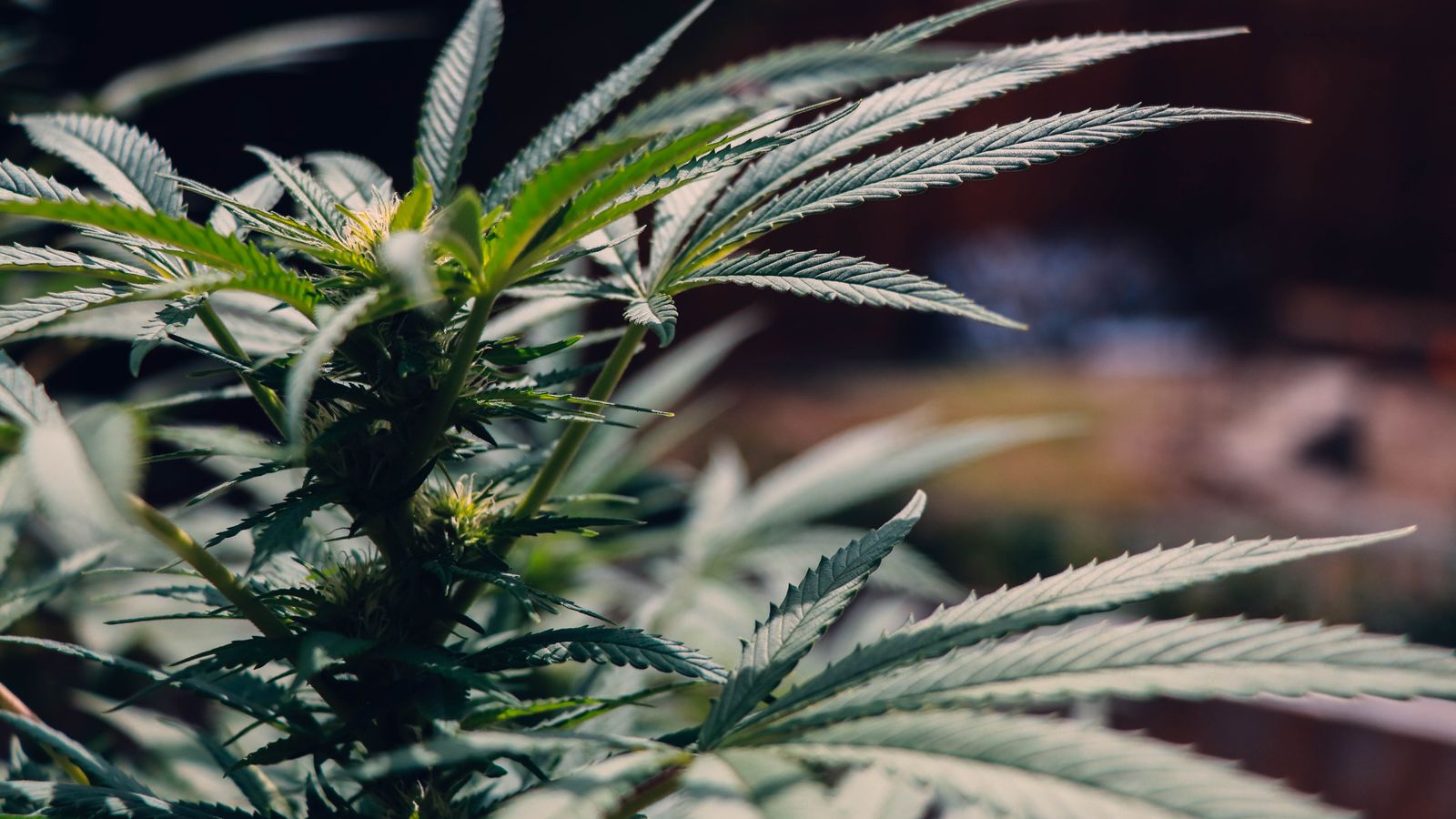
Walk into any hemp shop and you’ll see numbers on the shelf: delta-8, delta-9, delta-10. They’re all THC. The number just tells you which carbon atom holds a particular double bond in the molecule, and that one structural detail changes how strongly each version binds to the CB1 receptors in your endocannabinoid system. Stronger binding, stronger high. That’s most of the story right there.
Here’s the side-by-side, then the details.
| Delta-9 | Delta-8 | Delta-10 | |
|---|---|---|---|
| What it is | Classic THC, the kind marijuana is known for | Delta-9’s milder isomer | The mildest of the three |
| Rough potency | The baseline | Maybe 50 to 70 percent of delta-9 | Weaker still, commonly estimated at half of delta-8 |
| Natural abundance | Plentiful in marijuana, trace in hemp | Trace amounts only | Barely exists in the plant |
| How it’s made for sale | Extracted from the plant | Converted from CBD | Converted from CBD |
| Research base | Decades of studies | Thin | Nearly none |
| Shows on drug tests | Yes | Yes | Yes |
Delta-9: the original
Delta-9 THC is the reference point, the compound that decades of cannabis research actually studied. It’s the most potent of the three and the most likely to produce the full range of effects, wanted and unwanted: euphoria, altered time perception, munchies, and for some people, anxiety and paranoia at higher doses. Federally, hemp products may contain up to 0.3 percent delta-9 by dry weight, which is how legal delta-9 gummies exist; a heavy gummy can carry a meaningful dose while staying under the percentage cap.
Delta-8: the middle child
Delta-8 is delta-9 with the double bond moved one carbon over. Users consistently describe a mellower, clearer-headed high with less anxiety, and the limited survey research agrees, for whatever surveys are worth. Since the plant makes almost none, commercial delta-8 is synthesized from hemp CBD, which puts all the weight on manufacturing quality. A clean, full-panel lab report is non-negotiable.
Delta-10: the faint one
Delta-10 was identified in a California extract that had picked up contamination from fire retardant, of all things, and was later replicated deliberately. It binds CB1 receptors weakly, so the effect is mild, and shops love to describe it as energizing or sativa-like. Be skeptical of that framing. There’s essentially no published human research on delta-10, so those descriptions come from marketing departments and message boards. What’s certain is that it’s another CBD-conversion product, so the same purity questions apply, with even less science behind the answers.
What’s true of all three
They all get you high, they all impair driving, and they all metabolize into compounds a standard drug test flags as THC. No version is a drug-test workaround. Edible forms of all three take an hour or more to hit, so dose low and wait before taking more.
Legality is a moving target. Federally the Farm Bill gap keeps hemp-derived versions in play, but states differ widely. Here in Alabama, HB445 brought all of these under regulation in 2025: 21 and up, licensed sellers, per-serving THC caps, tested and labeled products, and a flat ban on smokable hemp flower. Buy from licensed shops and the rules mostly take care of themselves.
Our honest ranking of what matters when choosing: the lab report first, the dose in milligrams second, and the delta number a distant third. A carefully made delta-8 gummy at a sensible dose beats a sketchy delta-9 product every time, and delta-10 is mostly a curiosity until someone studies it properly. Start low with any of them, keep them locked away from kids and pets, and don’t mix them with a commute.