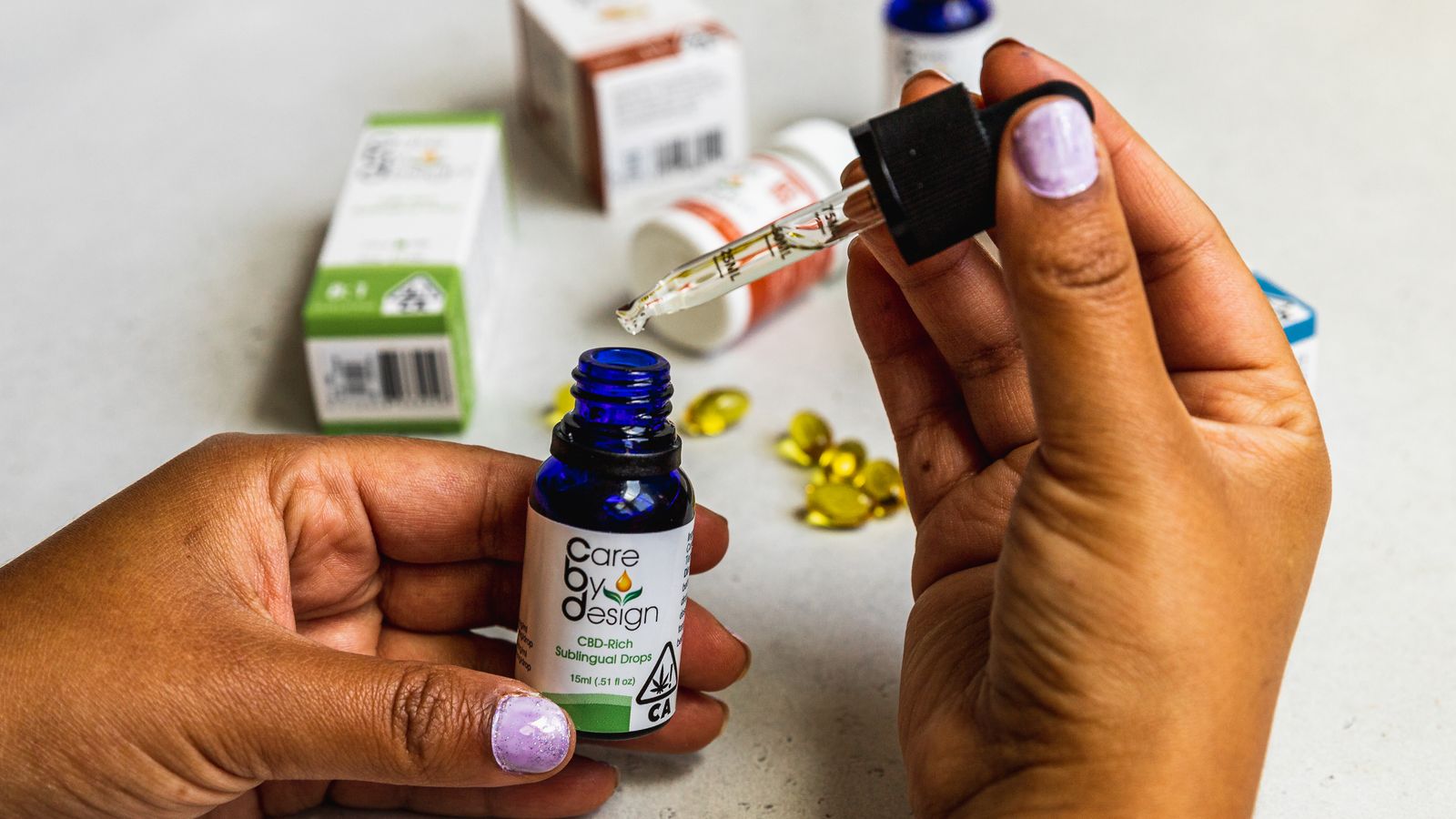
Every shop that sells CBD eventually meets the customer it did nothing for. They took the gummies, they waited, and they felt exactly the same. If that’s you, you’re not imagining it, and you’re not broken. There are real, specific reasons CBD lands for some people and misses for others. Most of them are fixable. One of them isn’t.
The bottle might be the problem
Start with the least flattering explanation: the product. In 2017, researchers published a study in JAMA after buying 84 CBD products online and testing them. Only about 31 percent contained the amount of CBD the label claimed. Roughly a quarter had less than advertised, some far less. If your CBD “didn’t work,” there’s a decent chance you were dosing with a bottle of expensive carrier oil.
The fix is boring but reliable: buy from sellers who publish third-party lab results, and learn to read a CBD label before you pay for one. A certificate of analysis should show the actual milligrams tested, not just what’s printed on the front.
The dose might be too low
Clinical trials on CBD often use several hundred milligrams a day. A typical gummy has 10 to 25. That gap doesn’t mean you need hospital-sized doses, but it does mean five milligrams once in a while is unlikely to move the needle for most people.
Body weight, metabolism, and what you’re hoping CBD will do all change the math. A reasonable approach is to pick a modest daily dose, hold it steady for a week, and only then adjust. Random doses at random times tell you nothing.
Your body throws most of it away
Swallowed CBD gets chewed up by your digestive system and liver before it ever reaches your bloodstream. Estimates of oral bioavailability run somewhere between 6 and 19 percent, which is a polite way of saying most of your gummy never arrives.
Two workarounds help. Taking CBD with a fatty meal made a real difference in a 2019 University of Minnesota study of epilepsy patients, where a high-fat breakfast increased absorption several times over. And holding a tincture under your tongue for a minute before swallowing lets some CBD skip the digestive detour entirely.
Some bodies just respond differently
Here’s the reason that isn’t fixable. CBD works partly by slowing the breakdown of anandamide, one of the molecules your endocannabinoid system makes on its own. But people vary. Around one in five of us carries a variant of the FAAH gene that already leaves more anandamide floating around. If your baseline is naturally high, CBD has less room to make a noticeable difference.
The research here is early, so hold that explanation loosely. But it fits what shops see every day: some customers swear by CBD, and some equally honest customers shrug.
Give it a fair trial, then be honest
CBD is not intoxicating, and its effects are often subtle. Sometimes it takes a couple of weeks of consistent use before anything shifts. So a fair trial looks like this: a verified product, a consistent daily dose, taken with food, for two to three weeks.
If you do all that and still feel nothing, believe your own experience. CBD is not for everyone, and anyone who tells you otherwise is selling something.
One safety note before you experiment with higher doses: CBD can interact with common medications, including blood thinners, because it competes for the same liver enzymes. If you take prescription medication, talk with your doctor before adding CBD. That’s not legal boilerplate. It’s the same advice we give across the counter.