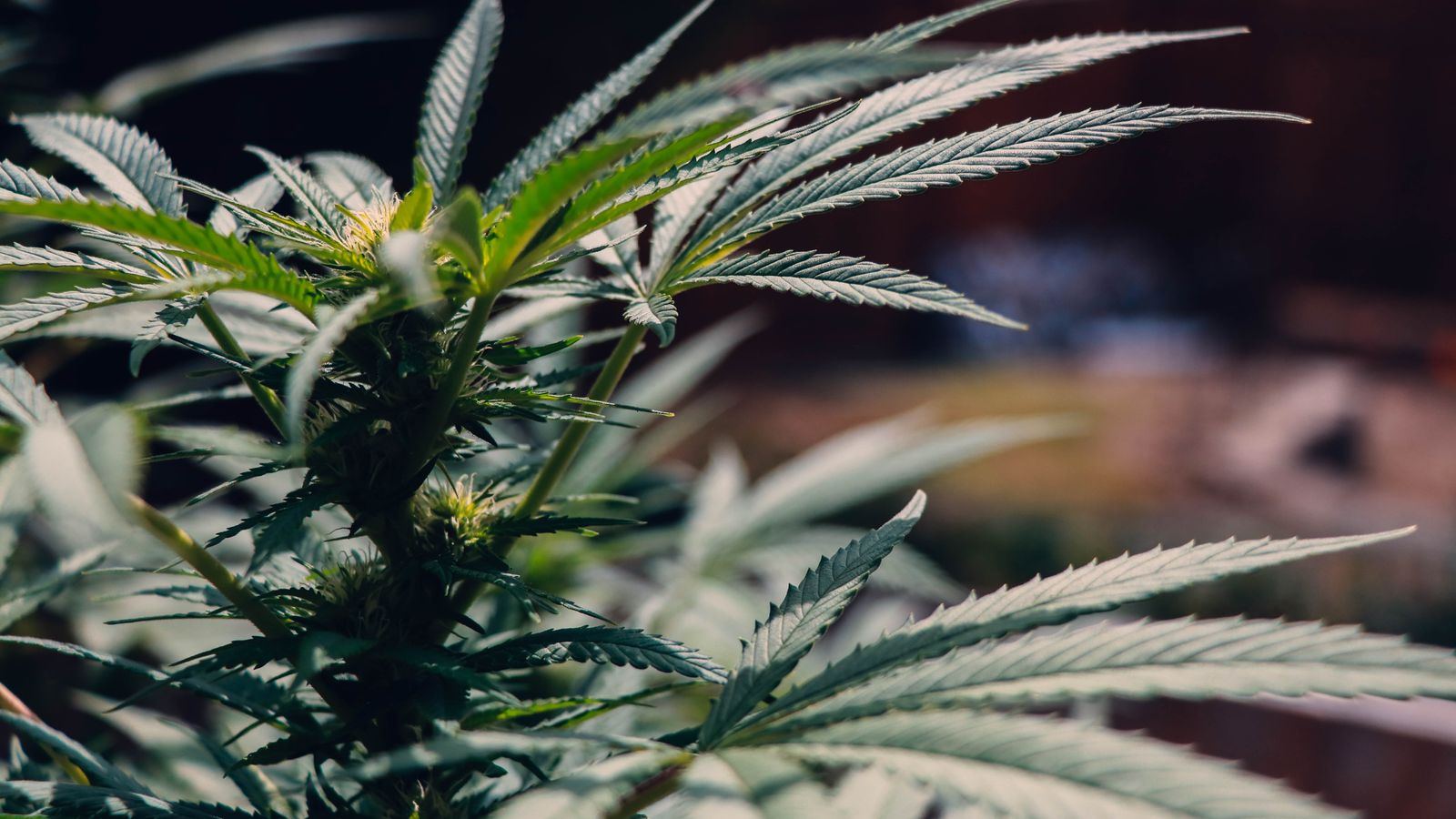
People use “hemp” and “marijuana” as if they’re two different plants, but they’re actually two varieties of the same one: cannabis. The differences that matter come down to chemistry, appearance, and the law. Here’s how they break down.
The big one is THC. THC is the psychoactive compound responsible for the high that marijuana produces. Marijuana contains enough of it to get you intoxicated. Hemp contains very little, typically less than 0.3%, which is nowhere near enough to produce any high. That single number is the line that legally and practically separates the two.
They also look different. Hemp plants tend to be tall and thin, with long, narrow leaves, and they’re often grown in dense rows for use in textiles, paper, and other products. Marijuana plants are shorter and bushier, with broader leaves, and they’re grown specifically for their psychoactive properties for recreational and medicinal use.
The legal picture follows the chemistry. In many countries, including the United States, hemp is legal to grow and use for all sorts of purposes, while marijuana is illegal or tightly regulated. That gap exists largely because of the THC difference: low-THC hemp doesn’t carry the same concerns that high-THC marijuana does.
The two plants also tend to be used for different things. Hemp has a long history as a source of textiles, paper, and food, and it’s also where CBD oil comes from, the non-psychoactive compound with a range of potential health benefits. Marijuana is mainly used recreationally and medicinally; it has documented medical uses, including reducing chronic pain and easing symptoms of certain conditions, though it remains a controlled substance in many places and its use can carry legal restrictions.
So while hemp and marijuana are both cannabis, they differ meaningfully in THC content, appearance, and legal status. Hemp is the versatile, widely legal workhorse; marijuana is the psychoactive variety grown for its effects and subject to stricter rules. Same family, very different jobs.