You’ve probably heard someone at a dinner table announce that honey is just bee vomit. It’s the kind of fact that sounds gross and clever at the same time. So is it true? Sort of, but “vomit” badly undersells what’s actually going on. Here’s what really happens between the flower and your toast.
First, the misconception
Yes, bees regurgitate nectar as part of making honey. That much is real, and it’s where the “vomit” line comes from. But calling honey vomit flattens a genuinely intricate process into a cheap punchline. What the bees do to nectar is closer to brewing or curing than to being sick.
From flower to hive
It starts with foraging. Honey bees collect nectar from flowers using a specialized tongue called a proboscis, then store it in a dedicated pouch in their stomach known as the honey sac. Right there, before the bee even heads home, enzymes go to work breaking complex sugars down into simpler ones. So the transformation begins mid-flight.
Turning nectar into honey
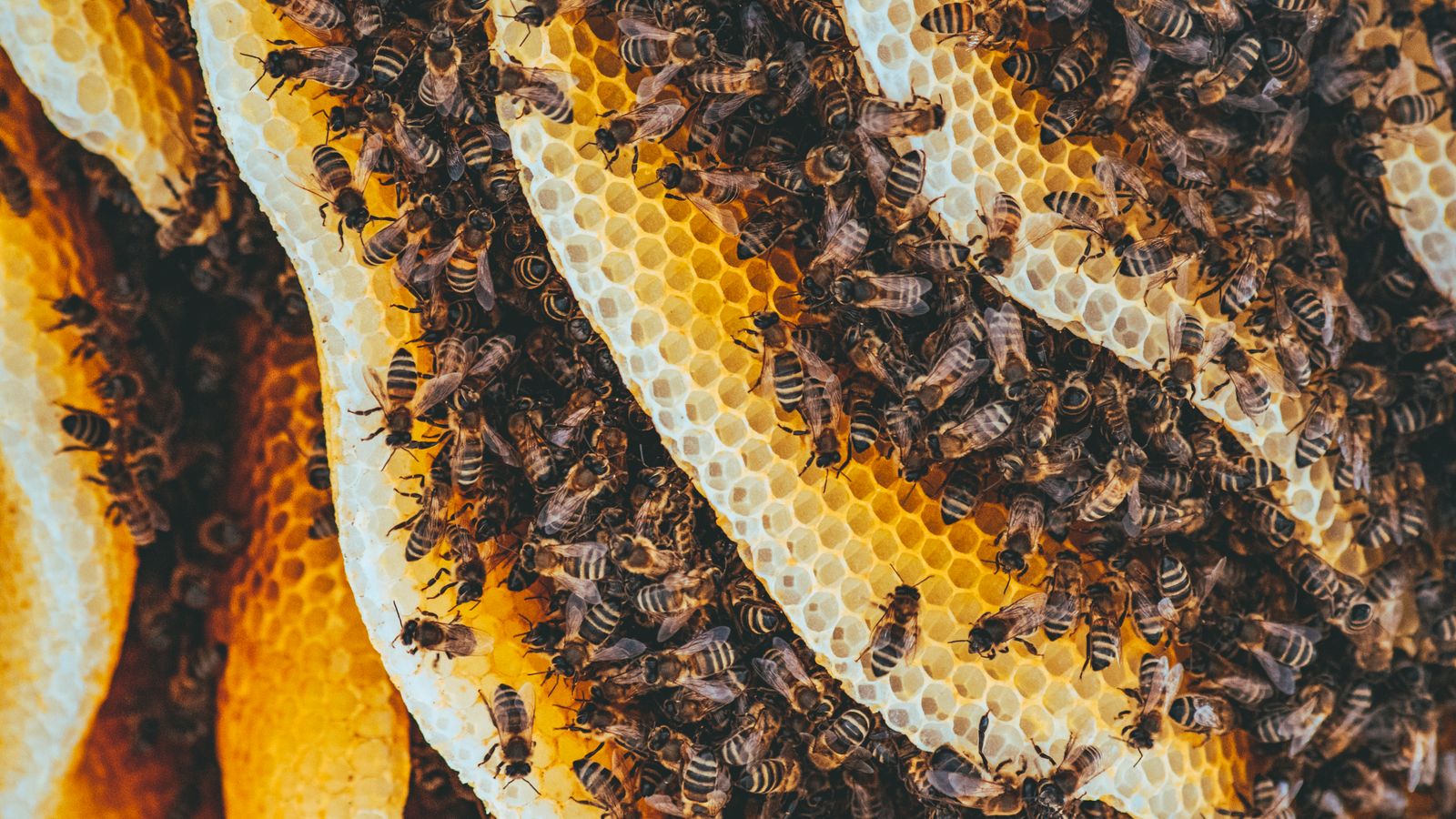
Back at the hive, the bee deposits the partially digested nectar into the honeycomb. Then comes the real work: through repeated regurgitation and evaporation, the bees drive the moisture content down to around 17%. That low moisture is what keeps honey from fermenting and lets it last essentially forever.
During evaporation, the bees keep adding enzymes, which break the sugars down further and deepen the flavor and nutritional value. This is why different honeys taste different; each one reflects the specific flowers the nectar came from. It’s craftsmanship, done by an insect.
So, vomit or not?
Technically there’s regurgitation involved, so the pedant at the table isn’t wrong. But honey isn’t just brought-up nectar. It’s nectar that’s been enzymatically processed, dehydrated, and cured into something entirely new, with its own flavor, aroma, and health benefits. The journey from collection to sealed honeycomb cell is elaborate, and the result is nothing like vomit.
The takeaway
Honey is far more than the sum of its parts. It’s a product of remarkable bee engineering and one of nature’s genuine marvels. Next time you drizzle it over toast or stir it into tea, it’s worth a second of appreciation for the trip it took from flower to hive to your table. And if someone calls it bee vomit, now you know how to set them straight.