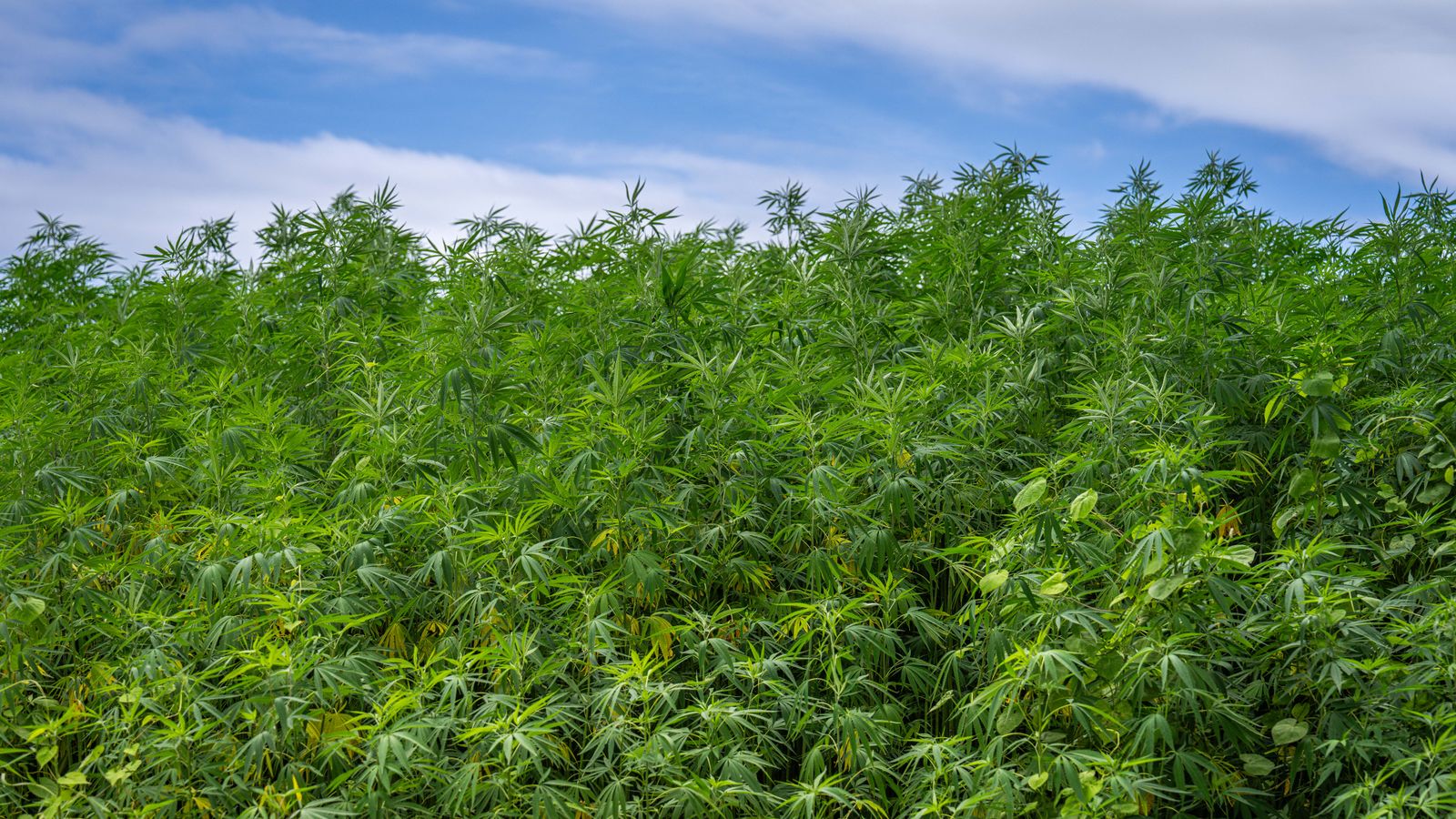
Hemp has been useful to humans for thousands of years, and it’s not going anywhere. It already shows up in textiles, paper, building materials, and food, and it will keep serving those same roles. But a couple of newer applications are where things get interesting, and they’re worth watching.
The first is bioplastics. Hemp is well suited to making plastic thanks to its strength, durability, and sustainability. Hemp plastics are made from hemp-based polymers, which can come from the plant’s stalk, seed, or oil, and they can be formed into films, sheets, and molded parts.
The big advantage of hemp plastics is that they’re biodegradable, breaking down through natural processes into substances that are safe for the environment. That’s a sharp contrast to traditional petroleum-based plastics, which can take hundreds of years to break down and do real environmental damage along the way.
Hemp plastics have other things going for them too. They’re strong and durable, they can be molded into all kinds of shapes and sizes, and they resist UV light without cracking or breaking easily. On top of that, they’re renewable and sustainable at the source: hemp grows fast, thrives in many climates, and needs fewer pesticides and herbicides than most crops, which makes it a far more eco-friendly feedstock than petroleum.
The second area is biofuel. Hemp offers a high yield and grows in a variety of climates, which makes it a practical fuel crop. Leaning on hemp for fuel could help reduce our reliance on fossil fuels and ease the impact of climate change.
Put it all together and hemp’s prospects look strong. It’s a versatile plant with valuable properties and a growing list of uses, and it’s poised to remain an important resource for years to come. As demand for sustainable materials keeps rising, hemp is well positioned to meet it.