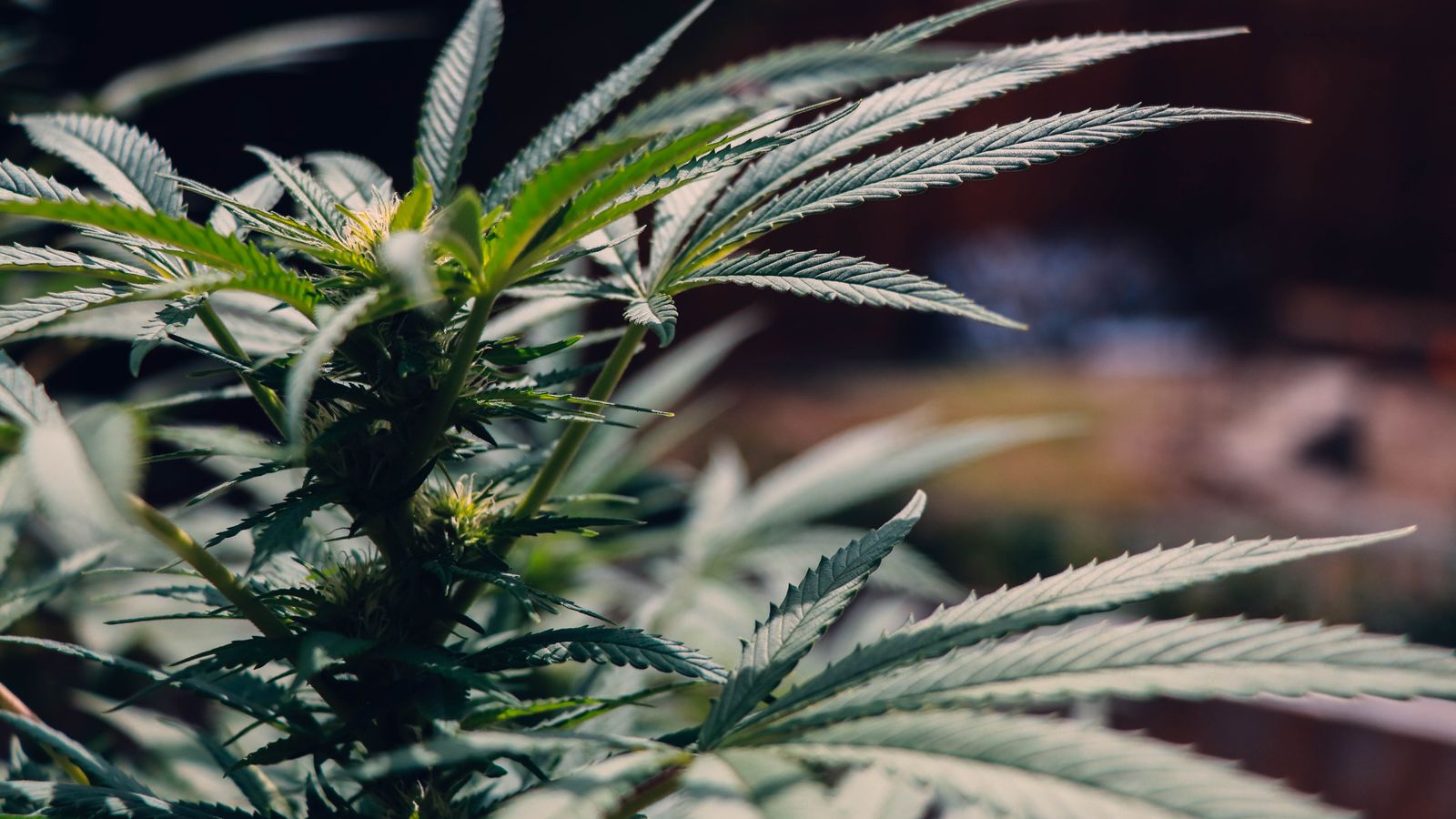
Here’s something that surprises people who’ve never grown a plant: essentially all the cannabis anyone consumes comes from female plants. Males exist, they’re necessary for the species, and growers cull them on sight like they owe money. Understanding why explains a lot about how cannabis is grown, bred, and priced.
Cannabis is dioecious, meaning individual plants are either male or female. That’s actually unusual; over 90 percent of flowering plant species carry both sex organs on the same plant. Hollies, ginkgos, and asparagus are in the dioecious club with cannabis, but it’s a small club.
What each sex does
Female plants grow the flowers everyone recognizes: dense buds packed with resin glands called trichomes, which produce THC, CBD, and the terpenes that give each strain its smell. The resin’s biological job, in part, is catching pollen.
Male plants grow small pollen sacs instead, hanging in loose clusters that look like little bunches of grapes. When they mature, the sacs open and release pollen on the wind. Males produce only trace cannabinoids and no real buds. For a consumer, a male plant is close to worthless.
Why growers pull the males
If pollen reaches a female flower, the female shifts her energy from making resin to making seeds. A pollinated crop means seedy, less potent buds, and nobody wants to pay flower prices for seeds. Unpollinated female flowers are called sinsemilla, from the Spanish for “without seed,” and sinsemilla is simply what modern cannabis is. One male shedding pollen in a grow room can seed everything downwind of it, so growers identify and remove males the moment they can.
The moment they can is called pre-flowering, a few weeks before full bloom. At the nodes, where branches meet the stem, females show tiny wispy white hairs and males show small round balls on little stalks. Growers check nodes obsessively during this window.
There’s a third, unwelcome category: hermaphrodites. A stressed female (light leaks, heat swings, rough handling) can grow male pollen sacs as a survival move, and self-pollinate a whole room. It’s insurance for the species and a headache for the grower.
So why do males exist at all?
Breeding. Every strain ever created took pollen from a male and a flower from a female. Breeders keep carefully chosen males for their genetics: vigor, structure, mold resistance, terpene potential. A good male can father thousands of seeds and shape a strain line for years. So males aren’t worthless, they’re just worthless on the sales shelf.
There’s also hemp. Fiber and grain hemp farmers grow the same species with completely different priorities, and there male plants pull their weight; hemp grown for seed obviously needs pollination, and male stalks historically yielded fine, soft fiber. The plant’s economics flip entirely depending on whether you’re after resin or rope.
What this means when you shop
Two practical takeaways. First, feminized seeds exist because of everything above: seeds bred (through a controlled stress technique) to produce nearly 100 percent female plants, so home growers in legal states don’t gamble half their garden on males. Second, seedy flower is a red flag. A few seeds means pollen got somewhere it shouldn’t have, and the resin production likely suffered for it.
One quiet piece of wonder to end on. Every bud in every jar represents a female plant that spent its whole flowering life waiting for pollen that never came, making more and more resin the whole time. The entire industry runs on carefully maintained botanical frustration.