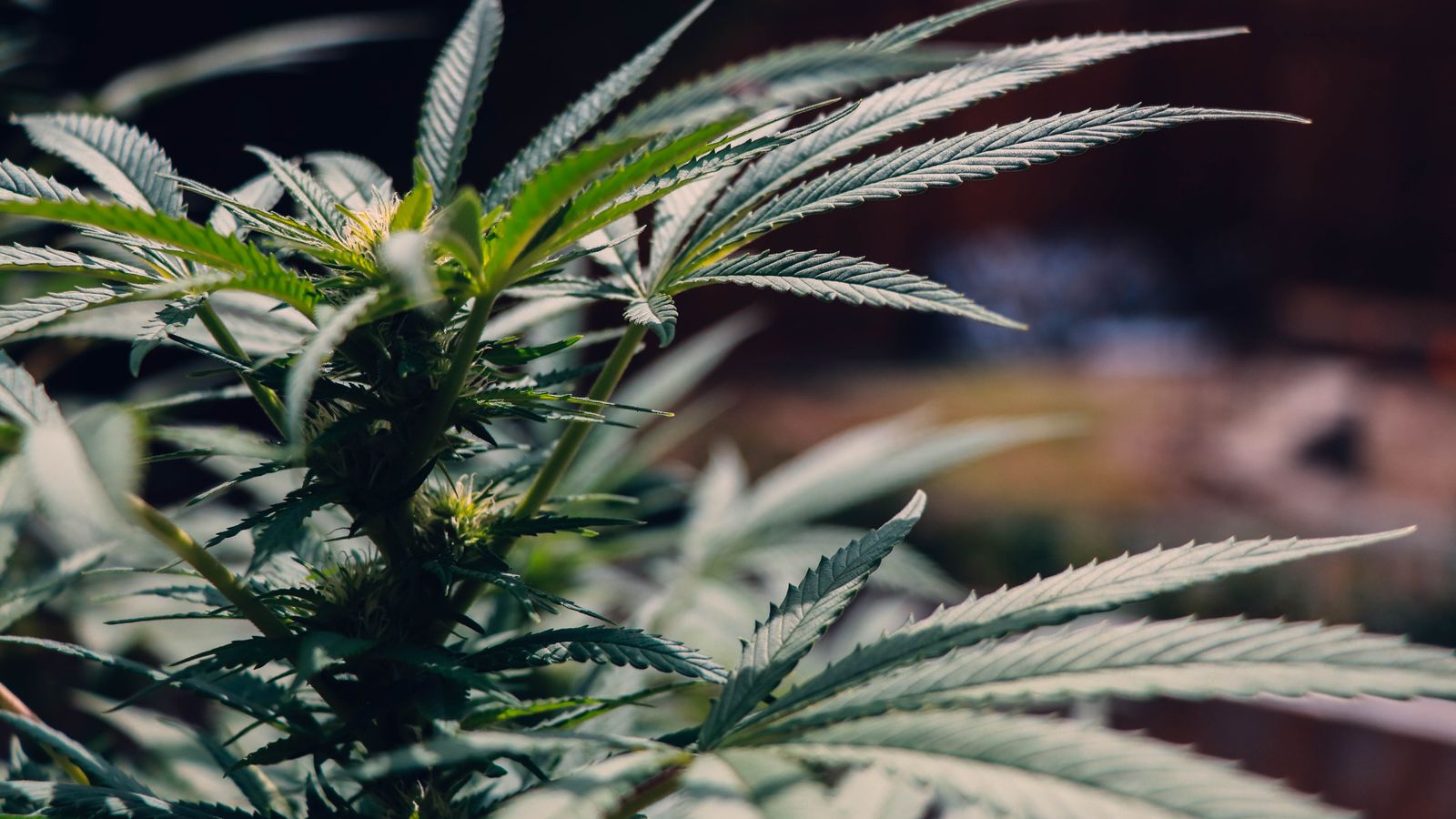
THC distillate is what you get when you refine cannabis extract until almost nothing is left but THC itself. The finished product is a thick, honey-colored oil that commonly tests at 85 to 95 percent THC, with everything else, the terpenes, the minor cannabinoids, the plant waxes, stripped away in the process. It is the sugar of the cannabis world: extremely pure, extremely potent, and flavorless in a way that’s either a feature or a flaw depending on what you’re making.
How distillation works
The process is old chemistry applied to a new plant. Different compounds boil at different temperatures, so if you heat a crude extract under deep vacuum, you can evaporate the THC away from everything else and condense it separately. The technique, called short-path or wiped-film distillation, runs under vacuum because THC would scorch before boiling at normal pressure; lowering the pressure lowers the boiling point to something survivable.
One detail worth knowing: distillate comes out already activated. Raw cannabis holds THC-A, which needs heat to convert into THC, the step called decarboxylation. Distillation involves enough heat that this conversion happens along the way, so distillate is psychoactive as-is. Eat a drop and it works; no oven required. This is exactly why it’s the workhorse of the edibles industry.
The same heat and vacuum that purify the THC also boil off the terpenes, which is why pure distillate has almost no taste or smell. Manufacturers often reintroduce terpenes afterward, either cannabis-derived ones or botanical versions from other plants, especially in vape cartridges.
What distillate is used for
Its purity and blandness make it the industry’s universal ingredient. Most THC gummies and chocolates are dosed with distillate because it’s consistent, tasteless, and easy to measure to the milligram. Most vape cartridges are distillate plus added terpenes. It also gets dabbed directly and added to topicals, and some people cap it into homemade oral doses.
For a shopper, the practical distinction is distillate versus full-plant products. Live resin and rosin keep the plant’s own terpene profile; distillate deliberately discards it and sometimes rebuilds a facsimile. If flavor and the fuller-spectrum experience matter to you, distillate is the budget lane. If precise dosing in an edible matters, distillate is the honest choice, and there’s no shame in it.
Reading the label
Judge distillate products by two numbers: the THC milligrams per serving, and the lab results behind them. A certificate of analysis should confirm potency and screen for residual solvents from the earlier extraction steps, plus pesticides and heavy metals, since refining concentrates whatever was on the crop. Distillate’s clarity is often marketed as proof of purity. It isn’t. Clear oil with no paperwork is just clear oil.
Respect the potency
This is one of the strongest cannabis products a person can buy, and the safety notes are the whole ballgame. In edible form, distillate takes 45 minutes to 2 hours to hit, and the oldest mistake in cannabis is re-dosing at minute 40. Start at 2.5 to 5 mg if you’re inexperienced, and wait the full two hours. Never drive on it. Store anything made with it locked up and away from kids and pets; a distillate gummy looks exactly like candy because it mostly is candy.
Legality depends on the source and your state. Distillate made from marijuana is legal only in state-licensed cannabis programs. Hemp-derived THC products occupy the more complicated ground we’ve covered elsewhere, and in Alabama they now fall under HB445‘s rules: licensed retailers, testing, per-serving caps, and 21-and-up sales.
The bottom line: distillate is purity in service of consistency. It gave up the plant’s personality to become the most predictable milligram in the business, and depending on the job, that trade is either exactly wrong or exactly right.