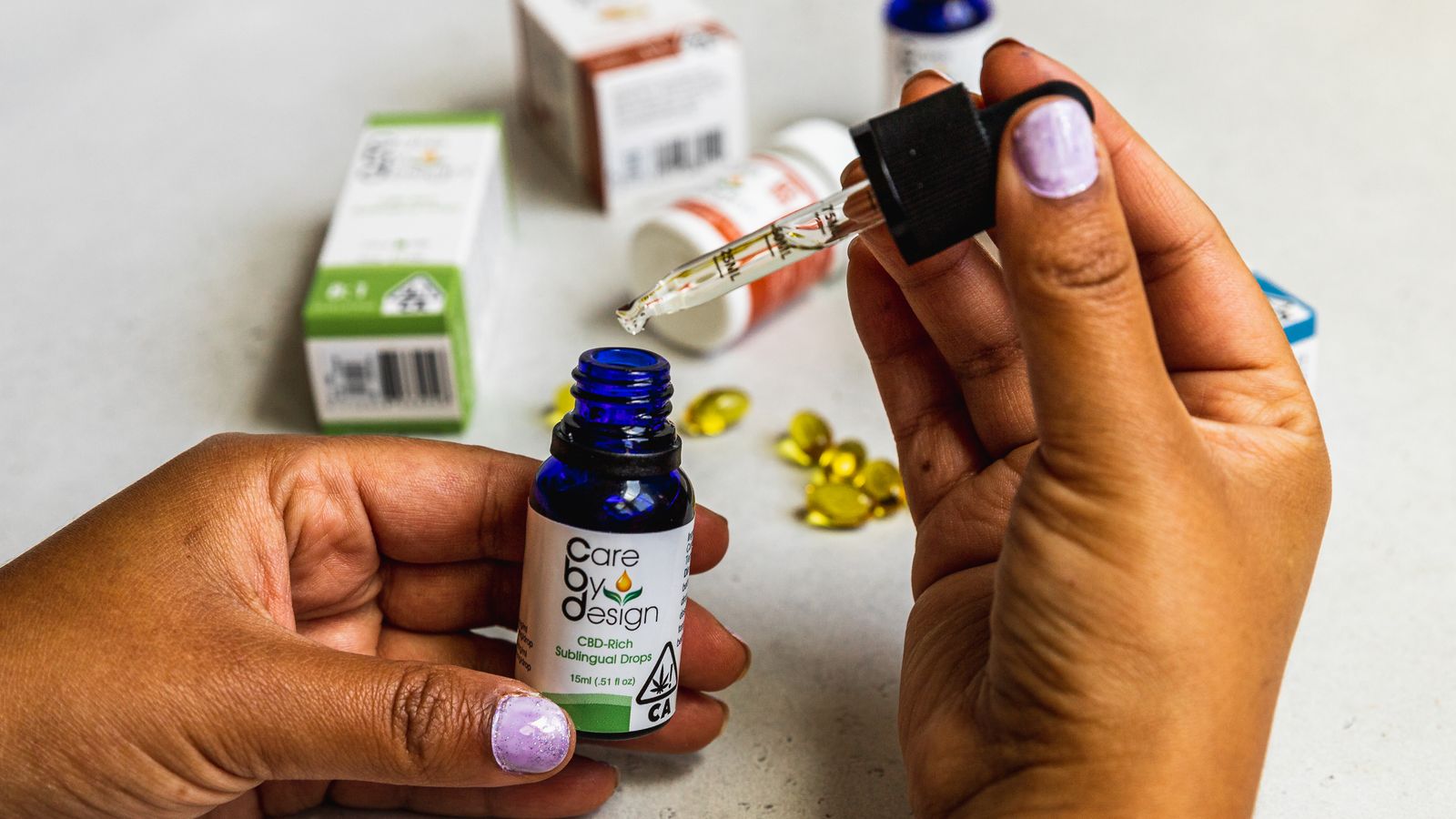
Some of our favorite conversations at the shop are with customers in their seventies and eighties who walk in curious and a little suspicious. Fair enough. If you grew up when cannabis was simply illegal, the shelf of hemp tinctures at a shop in Alabama takes some getting used to. This guide covers what we actually tell older customers, including the parts that matter more after 65.
Why the rules change with age
CBD is generally well tolerated, but three things shift as we get older, and all three point the same direction: go slower.
First, metabolism slows. The liver enzymes that process CBD, and most medications, become less efficient with age, so the same dose produces higher blood levels for longer than it would in a 30 year old.
Second, prescriptions accumulate. The average American over 65 takes multiple daily medications, and CBD is processed by the same liver enzyme families as a long list of them. This is the same mechanism behind grapefruit warnings. If any of your medications says to avoid grapefruit, treat that as a flag to talk to your doctor before adding CBD. Blood thinners deserve special mention: there are published case reports of CBD raising warfarin levels enough to require dose adjustments. That is not a reason to panic, but it is absolutely a reason to loop in whoever manages your prescriptions.
Third, drowsiness costs more. In younger people, an unexpectedly sleepy afternoon is an inconvenience. Past a certain age, anything that adds grogginess or lightheadedness raises fall risk, and falls are genuinely dangerous. This is the main reason we push low starting doses harder with older customers.
Why seniors try it anyway
The common reasons are joint stiffness, sleep, and general aches, and they track with what limited research exists. The evidence for CBD and arthritis comfort is mixed but not empty, the sleep evidence is early, and for both, plenty of older customers report it helps them while others notice nothing. One honest advantage: the things seniors often use instead carry real risks too. Long-term daily NSAIDs are hard on kidneys and stomachs, and prescription sleep aids have their own fall-risk warnings. CBD is not automatically safer, but it is not competing against risk-free alternatives either.
A sensible starting plan
- Talk to your doctor or pharmacist first, with your actual medication list in hand. This is the single most useful step and it usually takes five minutes.
- Start at 5 to 10 mg, once daily, ideally in the evening at first so any drowsiness lands at bedtime.
- Use an oil or tincture rather than gummies to start. A dropper lets you measure small doses precisely and adjust in tiny steps. Edibles are convenient later, once you know your dose.
- Hold each dose level for at least a week before increasing. Slow metabolism means CBD builds up gradually; judging a dose after one day is judging it too early.
- For a single painful joint, consider a topical instead. Almost none of it reaches the bloodstream, which sidesteps most interaction concerns entirely.
- Buy only products with a third-party lab report showing the CBD content and confirming the THC is within legal trace limits. If a store cannot show you one, shop elsewhere. Ours are available any time you ask.
Signs to stop and reassess
Stop and call your doctor if you notice unusual bruising or bleeding, significant dizziness, marked appetite changes, or new confusion. None of these are common at low doses, but the whole point of starting low is that problems, if they come, arrive small.
One more note: full-spectrum products contain trace THC, legal but real. At typical doses it will not make you feel high, though it can accumulate and matter for anyone subject to drug testing. Broad-spectrum and isolate products avoid THC if that is a concern.
Our take
CBD is worth a careful try for an older adult with nagging joints or restless nights, provided the doctor conversation happens first. The customers who do best treat it like any new medication: one change at a time, small doses, honest notes on whether it earns its keep. And if it does nothing after a month at a reasonable dose, let it go. Your money has better places to be.