CBD comes in more forms than any other wellness product I can think of, which is great once you know what you’re doing and overwhelming when you don’t. People use it for chronic pain, anxiety, and depression, among other things, but whether it helps you comes down partly to how you take it. Here’s a rundown of the main methods and how to pick one.
Smoking
Smoking is the oldest way to consume CBD and often the first way people try cannabis in any form. You’d use a joint, a pipe, or a bong. Joints and pipes are simple, portable, and don’t need much gear. Bongs are bigger and harder to travel with, but the water cools and smooths the smoke, so the hit is easier on your throat. The main appeal here is speed; smoking gets CBD into you fast.
Edibles
Edibles are gummies, chocolates, brownies, and other baked goods. They’re the obvious choice if you don’t like the taste of smoke and don’t want to inhale anything. The tradeoff is timing: edibles take longer to kick in than smoking, but the effects run stronger and last much longer once they arrive. There’s a lot of variety too, including vegan options, nighttime gummies, and chews made for pets.
Tinctures
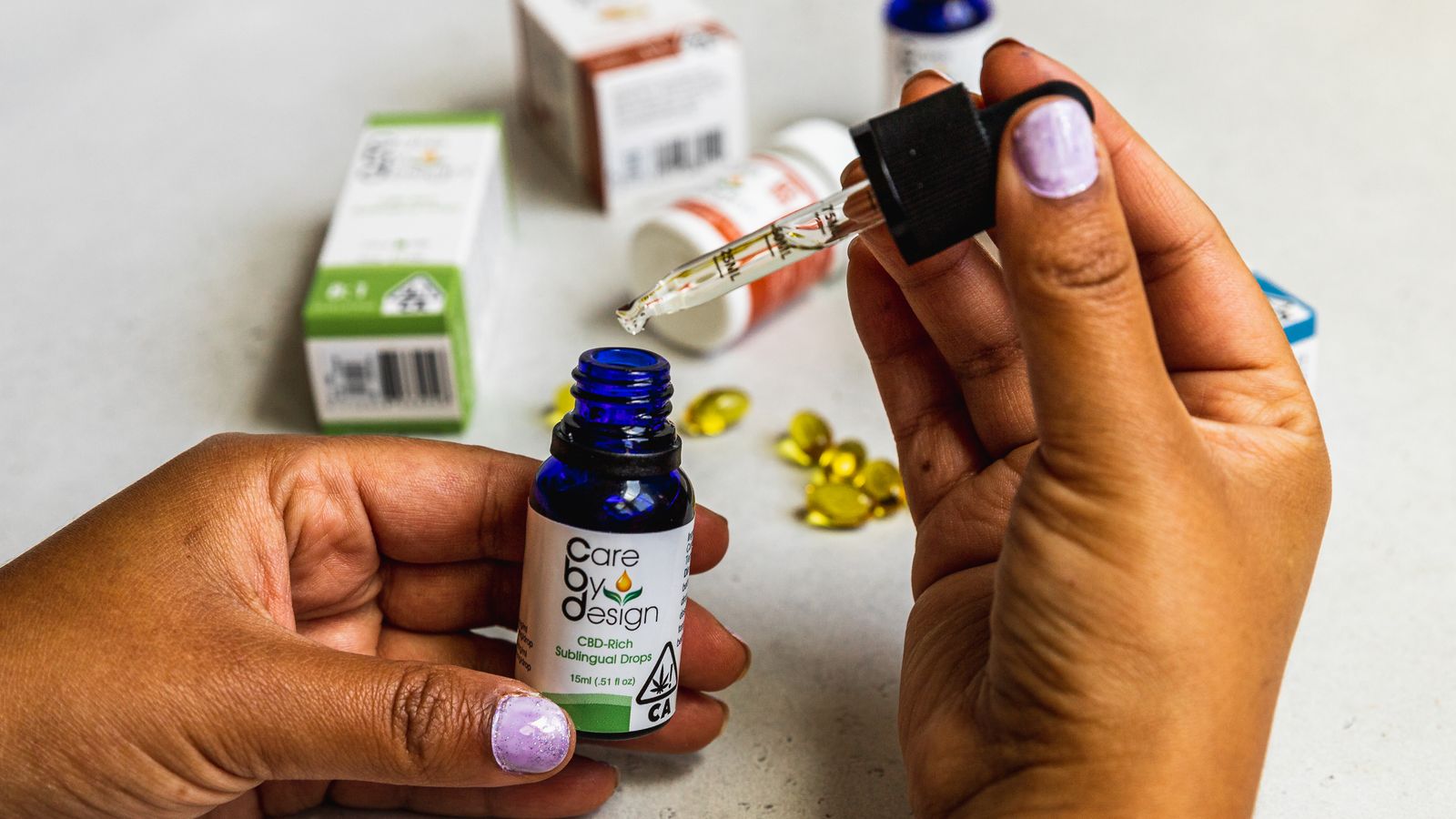
Tinctures are liquid CBD concentrates you take under the tongue. Hold the drops there for a bit before swallowing and the CBD absorbs quickly, which makes tinctures a good middle ground between the speed of smoking and the no-inhaling appeal of edibles. You can also add them to food or a drink if you’d rather not take them straight.
Topicals
Topicals are CBD creams, lotions, and balms you rub directly on your skin. They work where you put them, so they’re the pick for a sore joint or an irritated patch of skin rather than whole-body effects. People use them for skin conditions and localized pain, and since nothing gets you high, they’re an easy place to start.
Capsules and pills
Capsules and pills are the low-key, no-fuss option. You get a consistent dose every time, there’s no taste to deal with, and nobody around you knows you took anything. They’re slower and longer-lasting, similar to edibles, which suits people who want steady all-day support.
How to find your match
The right method depends on what you’re after. A few things to weigh:
- Purpose. What are you using CBD for? Topicals are great for a specific sore spot; edibles or capsules suit anxiety and general wellness better.
- Convenience. Edibles and capsules travel well and need no setup. Tinctures and oils are easy at home.
- Dosage. Different methods deliver different amounts, so pick one that matches how much you actually need.
- Taste. If the grassy taste of oil bothers you, edibles or capsules sidestep it entirely.
Whatever you choose, start with a small dose and give it time to work before deciding it isn’t. A little experimentation goes a long way, and most people land on a favorite within a few tries.
FAQs
Is CBD legal? In most countries, yes, as long as it doesn’t contain significant THC. The rules vary by place, so check your local laws before buying.
How does CBD work? It interacts with your endocannabinoid system, a network of receptors that helps regulate pain, mood, and appetite, among other things.
What are the side effects? CBD is generally well tolerated. The most common effects are dry mouth, fatigue, and appetite changes. Talk to your doctor first, especially if you take other medications.
How much should I take? It depends on your weight, what you’re using it for, and your method. Start low, increase gradually, and check with a healthcare professional, who can help you dial it in.