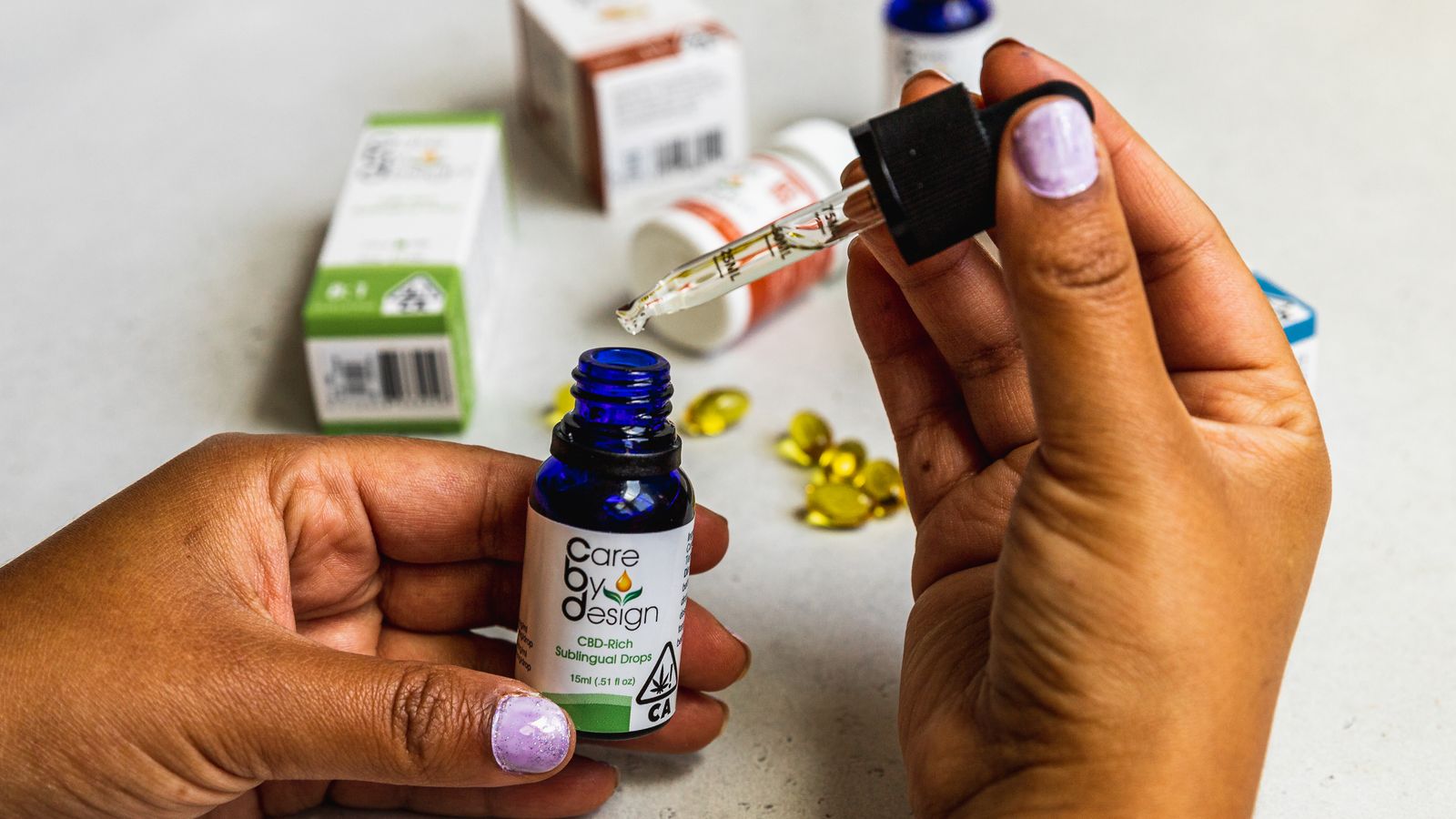
Insomnia is miserable, and if you’ve got it, you’ve probably tried plenty of remedies that didn’t stick. CBD keeps coming up in these conversations, and there’s real reason to be curious about it. The research is still early, but what’s there is encouraging. Here’s an honest look at whether it might help.
What is CBD?
CBD is one of many compounds in the cannabis plant. Unlike its cousin THC, it’s not psychoactive, so it won’t get you high. It’s also non-toxic, non-addictive, and carries a low risk of side effects, which is a big part of why people see it as a gentler alternative to conventional sleep aids.
How does CBD work?
CBD interacts with your body’s endocannabinoid system (ECS), a network of receptors and enzymes that helps regulate sleep, appetite, mood, and pain perception. When you take CBD, it nudges the ECS toward balance, which appears to help regulate the sleep-wake cycle and improve sleep quality. That connection between the ECS and sleep is the mechanism researchers are most interested in.
Does it actually work?
The honest answer is that we need more research, but the early results are promising. Several studies have found CBD reduces insomnia symptoms and improves sleep quality. One found it reduced anxiety and improved sleep in people with chronic insomnia. Another found it cut the time it took people to fall asleep and increased total sleep duration, while also reducing nighttime awakenings, which adds up to more restful sleep overall.
Why people reach for it
The appeal is mostly about what CBD doesn’t do. It’s a natural option that skips the side effects people worry about with traditional sleep aids, things like addiction, dependence, and next-day grogginess. Being non-toxic with a low side-effect risk makes it easier to try without much worry.
There’s also a second angle. CBD can ease anxiety and depression, and those two are among the most common drivers of insomnia. Sometimes the sleep problem is really an anxiety problem wearing a costume, and calming the anxiety improves the sleep as a side effect.
Dosage
There’s no universal dose, since it depends on the person and how severe the insomnia is. Start with a low dose and increase gradually until you land on what works. And talk to a doctor or healthcare provider before starting CBD or any new supplement.
Choosing the right product
Quality matters a lot here. Look for products that are lab-tested and made from high-quality, organic hemp, and steer clear of anything with harmful additives or contaminants like pesticides, heavy metals, or solvents. For sleep specifically, we usually point people toward gummies that include melatonin.
One thing to be clear about: the FDA has not approved CBD for treating insomnia. It has approved one CBD-based drug, Epidiolex, but only for certain forms of epilepsy, not for sleep or anything else. CBD can also interact with certain medications, so if you take anything regularly, check with a healthcare provider first. They can tell you whether CBD is safe for you and help you build a plan around it.
The bottom line
CBD looks promising for insomnia. The evidence isn’t complete, but the early signs point to a safe, non-addictive option that may improve sleep quality and reduce symptoms. If you want to try it, buy a lab-tested product, start with a small dose, and increase slowly until you find your spot.
FAQs
Is CBD safe as a sleep aid? It’s non-toxic and non-addictive with a low risk of side effects, which makes it a safer bet than many prescription sleep aids for people worried about those risks.
How does it improve sleep? It works through the endocannabinoid system, which helps regulate sleep along with appetite, mood, and pain. CBD encourages balance in that system and helps regulate the sleep-wake cycle.
Does it work for all kinds of insomnia? More research is needed, but early results suggest it may help across the range, whether you struggle to fall asleep, stay asleep, or both.
What’s the right dose? It varies by person and severity. Start low, increase gradually, and consult a healthcare provider before you begin.