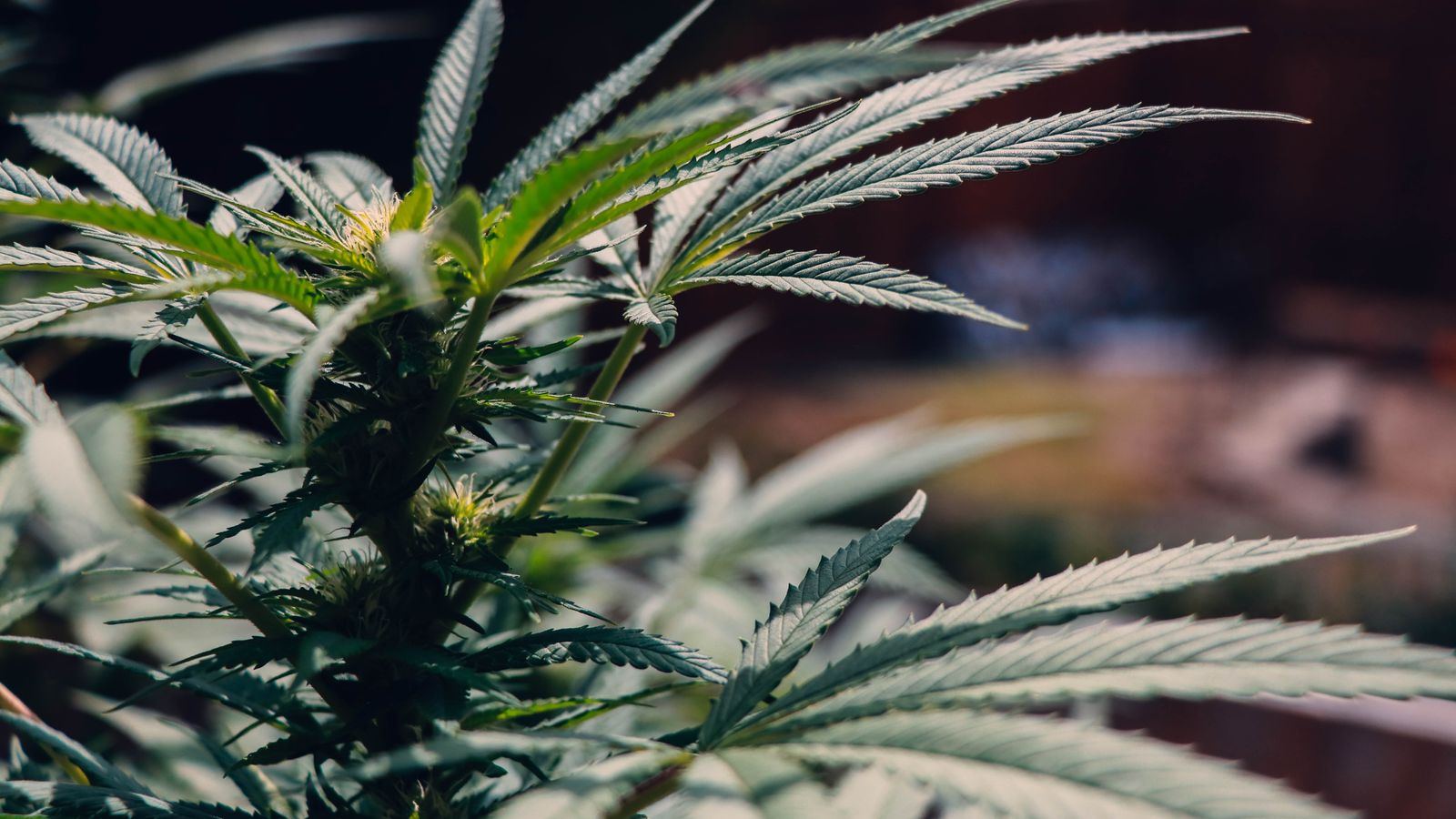
THC is the compound in cannabis responsible for the high, and there are more ways to take it than most people realize. The method you choose changes how fast it hits, how strong it feels, and how long it lasts, so it’s worth knowing your options. Here’s a rundown, plus a few things to keep in mind about interactions and safety.
Smoking
Smoking is the traditional route and usually the first way people encounter cannabis. You’d use a joint, pipe, or bong. Joints and pipes are simple, portable, and need almost no gear. Bongs are bigger and harder to travel with, but the water cools and smooths the smoke. If you’re using THC medically, you can get a medical card online in a number of states, including California, Connecticut, Illinois, Iowa, Louisiana, Maine, Maryland, Massachusetts, Michigan, Minnesota, Missouri, Montana, New York, New Jersey, Nevada, Ohio, Oklahoma, Pennsylvania, Texas, Virginia, and West Virginia.
Edibles
Edibles come as gummies, chocolates, brownies, and other baked goods. They’re the go-to if you don’t like the taste of smoke and don’t want to inhale anything. The catch is timing and strength: edibles take longer to kick in than smoking, hit harder once they do, and last much longer. Start small and wait.
Tinctures
Tinctures are liquid THC concentrates taken under the tongue. Held there, they absorb quickly, which makes them a fast-acting, easy-to-dose option. You can also add them to food or a drink if you’d rather not take them straight.
Topicals
Topicals are THC creams, lotions, and balms you rub on your skin. They work where you apply them and don’t get you high, so they’re the pick for a sore spot or a skin condition rather than whole-body effects.
Capsules and pills
THC capsules and pills are the discreet, no-fuss choice. You get a consistent dose with no taste to deal with, and the effects are long-lasting, similar to edibles. Good for steady, all-day support.
How to find your match
The right method depends on what you’re after. A few things to weigh:
- Purpose. Topicals suit localized pain; edibles suit anxiety and general use.
- Convenience. Edibles and capsules travel well; tinctures and oils are easy at home.
- Dosage. Different methods deliver different amounts, so match the format to how much you need.
- Taste. If oil or tinctures aren’t your thing, edibles skip the flavor entirely.
Whatever you pick, start with a small dose and be patient waiting for effects. A little experimentation gets you to your ideal method.
Interactions worth knowing
THC can interact with medications, so check with your healthcare provider before use.
There’s also an interesting interaction with black pepper. Black pepper (Piper nigrum) gets its bite from a molecule called piperine, and piperine appears to blunt the intensity of a THC high, probably by speeding up how fast your body metabolizes and clears THC. So if you ever feel too high, a sniff or pinch of black pepper is a genuinely useful trick, and it has its own health benefits, having long been used for digestion, pain relief, and inflammation.
The interaction to be careful with is alcohol. Alcohol and THC are both central nervous system depressants, so together they amplify each other and push impairment higher. That can mean more drowsiness, worse coordination and balance, and a greater risk of accidents. The effects vary a lot from person to person depending on tolerance, dose, and genetics; some people get more anxious and paranoid, others just very relaxed.
The bigger concern is over-intoxication. When you combine the two, your body clears both more slowly, so the impairment runs longer and can turn dangerous, raising the risk of falls, impaired driving, and longer-term consequences. These effects can also be cumulative, building with repeated use, which carries its own risks around dependence and health. In short, mixing the two is where most THC trouble comes from, so go easy or skip it.
FAQs
Is THC legal? Delta-9 THC is illegal in several countries and states, and the rules vary widely. Hemp-derived products can contain up to 0.3% Delta-9 THC, which is how some companies ship Delta-9 edibles nationwide. Check your local laws before buying.
How does THC work? It interacts with the endocannabinoid system, a network of receptors that regulate pain, mood, and appetite, among other things.
What are the side effects? THC is generally well tolerated. The most common effects are dry mouth, fatigue, and appetite changes. Talk to your doctor first if you take other medications.
How much should I take? It depends on your weight, your purpose, and your method. Start low, increase gradually, and check with your doctor to find the right dose.