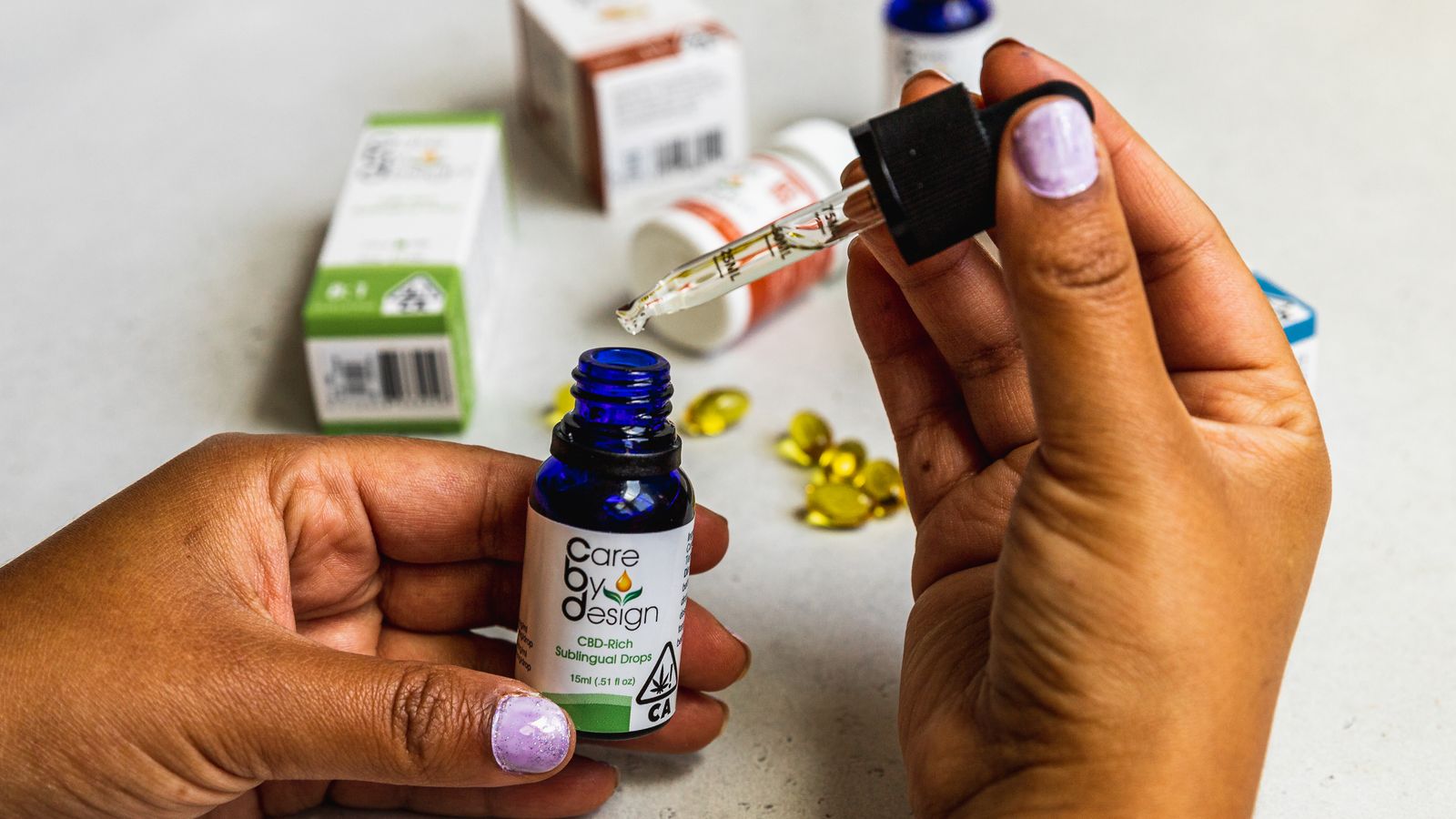
CBD is more mainstream than it used to be, but it can still be a touchy subject at the dinner table, especially with family or friends who associate it with marijuana. If you want to bring it up, a little preparation goes a long way. Here are some tips for having a good conversation about it.
Lead with respect. Even if you disagree with someone’s take on CBD, listen to their perspective and try to understand where they’re coming from. A conversation where people feel heard goes a lot better than one where they feel lectured.
Do your homework first. Before you bring up CBD, make sure you actually understand it. That lets you speak confidently and accurately, and it means you can handle questions and concerns without fumbling.
Read the room. Think about who you’re talking to and how much they already know. With people new to CBD, start with a simple overview of what it is and its potential benefits. With people who already know the basics, you can go deeper or share your own experiences.
Stay open. Be willing to hear different viewpoints. You can hold your own beliefs about CBD while still respecting other people’s opinions and staying open to learning something.
For folks who are unfamiliar, it helps to start with the fundamentals: explain that CBD is a cannabinoid found in cannabis, but that it’s non-psychoactive, so it won’t produce a high or change your mental state. That single fact clears up most of the initial worry.
If you’ve used CBD yourself, share your experience and how it’s helped you. Personal stories land better than abstract claims, just keep reinforcing that CBD isn’t psychoactive and has a range of potential health benefits.
Some people will have concerns about safety or legality, and it helps to have answers ready. You can note that CBD is generally considered safe and that it’s legal in many countries, including the United States, as long as it’s derived from hemp.
Talking about CBD at dinner can actually be a nice way to learn and share, as long as you approach it with respect, know your facts, read your audience, and stay open to other views. Do that, and you’ll have a real conversation instead of an argument.